
Short Answer
Overview
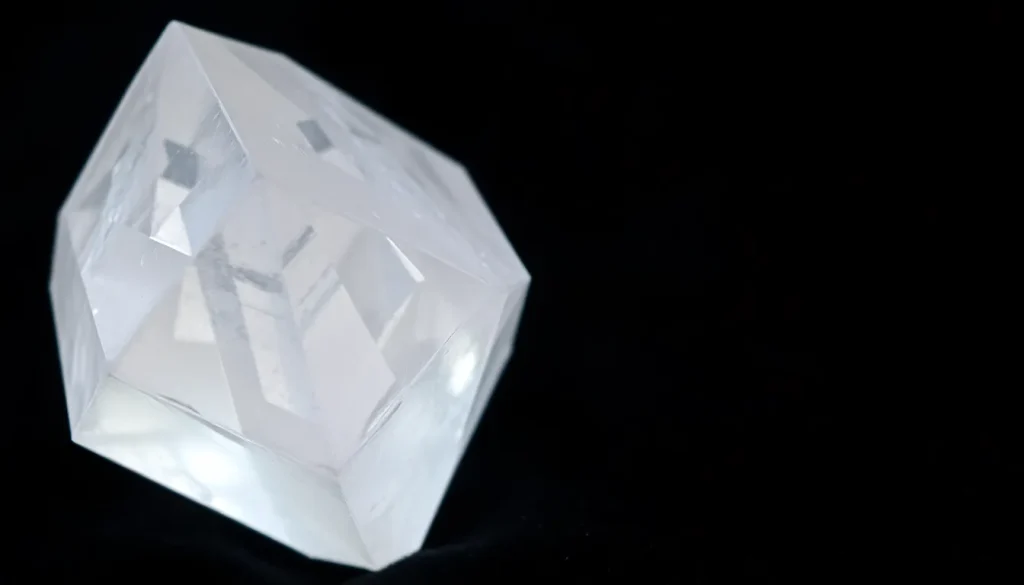
Herkimer diamonds are naturally occurring, double‑terminated quartz crystals renowned for their exceptional clarity and often flawless, faceted appearance. Discovered in the mica‑schist deposits of up to 500 million‑year‑old rock in Herkimer County, New York, they are prized by collectors, jewelers, and crystal‑healing practitioners.
History and Origin
First reported by European settlers in the late 18th century, the crystals were later named “Herkimer diamonds” after the county where they were most abundantly found. The term “diamond” reflects their diamond‑like brilliance, not their chemical composition. The primary source remains the Herkimer County region, although similar double‑terminated quartz has been located in parts of Canada, Scotland, and the Czech Republic.
Meaning and Symbolism
In traditional lore, Herkimer diamonds symbolize purity, clarity of thought, and the amplification of inner vision. Their natural double points are said to represent balance between the physical and spiritual realms, making them popular as talismans for focus and insight.
Healing and Metaphysical Properties
Crystal‑healing practitioners attribute a range of metaphysical qualities to Herkimer diamonds. Common beliefs include:
- Enhancing mental clarity and concentration.
- Amplifying the energy of other stones placed nearby.
- Supporting meditation by opening the Crown and Third‑Eye chakras.
- Promoting emotional balance and reducing stress.
These properties are based on tradition and are not intended as medical advice.
Varieties and Types
While the most recognized form is the clear, colorless crystal, variations occur:
- Colorless (Clear) Herkimer Diamond – The classic, transparent specimen prized for its diamond‑like sparkle.
- Pale Yellow or Brown – Resulting from trace iron or organic inclusions.
- Inclusion‑Rich “Cave” Specimens – Contain natural mineral or fluid inclusions that create a “cave” appearance when cut.
- Coated or Treated Stones – Occasionally, surface treatments are applied to enhance clarity; untreated natural stones are preferred for collectors.
Jewelry Uses and Care
Because of their hardness (Mohs 7) and natural brilliance, Herkimer diamonds are set in rings, pendants, earrings, and bracelets. Their double‑terminated shape often allows for unique “twin‑point” designs.
Care guidelines:
- Clean with warm, soapy water and a soft brush; avoid abrasive cleaners.
- Use a lint‑free cloth for polishing.
- Avoid prolonged exposure to high heat or harsh chemicals, which can affect surface treatments.
- Store separately from softer gems to prevent scratching.
Buying Guide
When purchasing a Herkimer diamond, consider the following factors:
- Clarity – Look for specimens with minimal inclusions and a clean “diamond‑like” appearance.
- Cut and Shape – Natural double points are valued; faceted stones should retain the original crystal’s symmetry.
- Origin Certification – Reputable dealers provide documentation confirming the stone’s provenance from Herkimer County.
- Treatment Disclosure – Ensure any surface coating or enhancement is fully disclosed.
- Price Range – Prices vary widely based on size, clarity, and whether the stone is untreated.
For high‑value purchases, request a gemological report from a recognized laboratory such as the GIA or an accredited independent gemologist.
FAQ
What is Herkimer diamond good for?
Herkimer diamonds are valued for their natural brilliance in jewelry, as collector specimens, and, in crystal‑healing traditions, for enhancing clarity, meditation, and energy amplification.
Is Herkimer diamond rare?
High‑quality, untreated Herkimer diamonds with excellent clarity are relatively scarce, especially larger specimens; however, the mineral itself is not extremely rare, as quartz is abundant worldwide.
How can you tell if Herkimer diamond is real?
Real Herkimer diamonds exhibit a double‑terminated shape, a hardness of 7, and a refractive index of 1.544–1.553. Professional testing, such as a microscope examination and a gemological report, confirms authenticity and untreated status.
What chakra is Herkimer diamond associated with?
Traditional crystal‑healing beliefs associate Herkimer diamonds with the Crown chakra, and some practitioners also link them to the Third‑Eye chakra for enhanced intuition.
How should you clean Herkimer diamond?
Clean with warm, mildly soapy water and a soft brush, rinse thoroughly, and dry with a lint‑free cloth. Avoid ultrasonic cleaners if the stone has surface treatments, and keep it away from harsh chemicals.
Leave a Reply