

Short Answer
Overview
Smoky quartz is a variety of the mineral quartz (SiO₂) that displays a characteristic gray to brown‑black coloration caused by natural irradiation and the presence of aluminum impurities. It occurs in massive, granular, and crystal forms and is prized for its subtle, smoky hue, which works well in both classic and contemporary jewelry designs.
History and Origin
The name “smoky quartz” dates back to ancient Greek and Roman times, where it was called hyakinthos and used as a protective talisman. Large deposits were first documented in the Alps during the Middle Ages, and later in Brazil, Madagascar, and the United States during the 19th‑century quartz boom. The stone’s smoky tone is a result of natural exposure to radiation over geological time, a process first understood by mineralogists in the early 20th century.
Meaning and Symbolism
Traditionally, smoky quartz is associated with grounding, stability, and protection. In many cultures it symbolises the ability to see through illusion, representing clarity amid confusion. Its muted dark tone is often linked to humility and inner strength, making it a popular gift for those embarking on new ventures or seeking emotional balance.
Healing and Metaphysical Properties
Within crystal‑healing traditions, smoky quartz is believed to absorb and transmute negative energy, helping the wearer feel more grounded and centered. Practitioners associate it with the Root and Solar Plexus chakras, claiming it can aid in relieving stress, enhancing focus, and supporting the digestive and circulatory systems. These claims are based on folklore and should not replace professional medical advice.
Varieties and Types
Several sub‑varieties of smoky quartz are recognized by collectors:
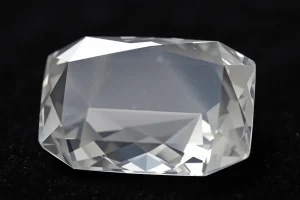
- Smoky Topaz‑Cut: Faceted in the classic topaz shape, emphasizing brilliance.
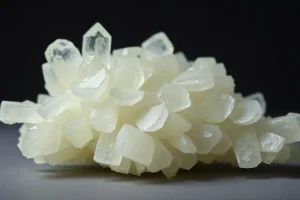
- Smoky Quartz Crystals: Well‑formed hexagonal prisms with terminated points, prized by mineral collectors.
- Smoky Quartz Cabochons: Polished, dome‑shaped stones often set in rings or pendants.
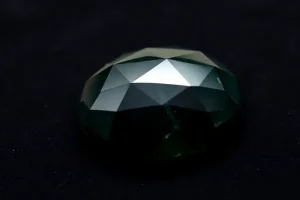
- Black Smoky Quartz: The darkest specimens, sometimes called “Black Quartz,” showing a near‑opaque appearance.
n
Jewelry Uses and Care
Because of its hardness (Mohs 7) and vitreous luster, smoky quartz is suitable for most jewelry settings, including rings, earrings, bracelets, and pendants. It can be cut into faceted gems, cabochons, or used in carved beads. Care recommendations:
- Clean with warm, soapy water and a soft brush; avoid harsh chemicals.
- Use a microfiber cloth for polishing; ultrasonic cleaners are safe if the stone is untreated.
- Avoid prolonged exposure to high heat, which can cause color alteration in some treated stones.
- Store separately from softer gems to prevent scratches.
Buying Guide
When selecting smoky quartz, consider the following factors:
- Color Depth: Deep, uniform smoky tones are rarer and more valuable than lighter, unevenly colored stones.
- Clarity: Inclusions are common; however, a clean interior enhances brilliance.
- Cut and Finish: Well‑cut faceted stones display greater sparkle, while polished cabochons highlight the stone’s translucency.
- Treatment Disclosure: Some smoky quartz is heat‑treated to enhance color; reputable dealers should disclose any treatment.
- Certification: For high‑value pieces, request a gemological report from a recognized laboratory (e.g., GIA).
By evaluating these criteria, buyers can ensure they acquire a genuine, high‑quality smoky quartz that meets both aesthetic and metaphysical expectations.
FAQ
What is smoky quartz good for?
Smoky quartz is valued for its grounding appearance in jewelry and decorative objects. Traditionally, it is believed to absorb negative energy and promote calm, though these effects are based on folklore rather than scientific evidence.
Is smoky quartz rare?
Smoky quartz is relatively common, but high‑quality, deep‑color specimens are less abundant. Rarity increases with darker, uniformly saturated color, large size, and absence of treatment.
How can you tell if smoky quartz is real?
Real smoky quartz feels heavy for its size, has a vitreous luster, and rates 7 on the Mohs scale. Look for natural inclusions and a conchoidal fracture pattern. Professional testing, such as refractive index measurement, confirms authenticity.
What chakra is smoky quartz associated with?
In crystal‑healing traditions, smoky quartz is commonly linked to the Root (Muladhara) and Solar Plexus (Manipura) chakras, reflecting its grounding and stabilizing symbolism.
How should you clean smoky quartz?
Clean smoky quartz with warm, mild soapy water and a soft brush. Rinse thoroughly, dry with a lint‑free cloth, and avoid harsh chemicals or prolonged high heat, especially if the stone has been heat‑treated.
Leave a Reply