
Short Answer
Overview
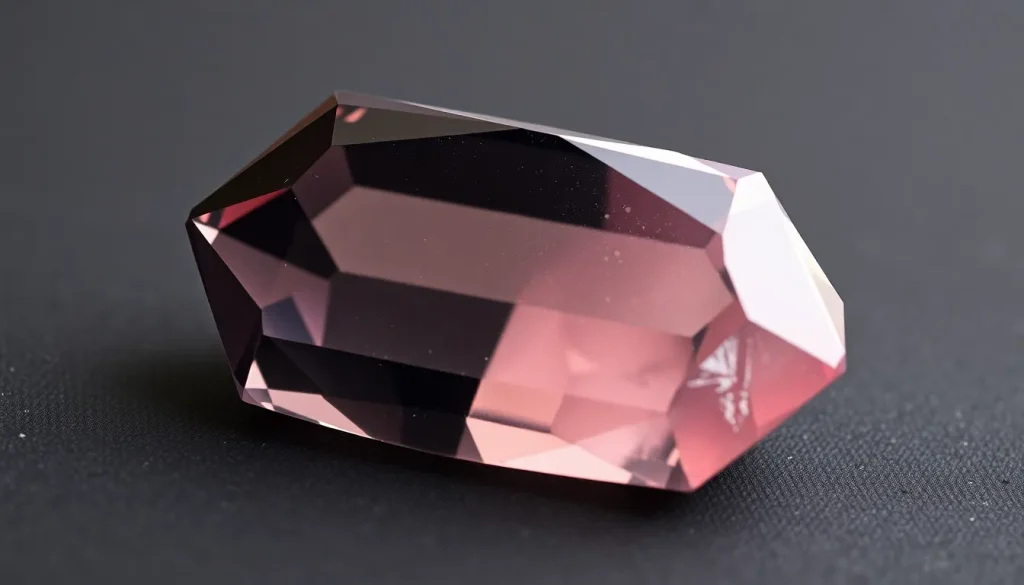
Schizolite is a transparent to translucent variety of the mineral scapolite, belonging to the feldspathoid group. It is most often found in colorless, white, pale pink, or pale yellow shades and is prized for its vitreous luster and relatively high refractive index. Although not as widely known as sapphire or emerald, schizolithes are used in specialty jewelry and are sought after by collectors for their rarity and unique crystal habit.
History and Origin
The name “schizolite” derives from the Greek word schizein meaning “to split,” referring to the mineral’s perfect cleavage. Historically, specimens were first described in the 19th century from deposits in the Alps and later from the Canadian Shield. Modern gem‑cutting of schizolite began in the early 20th century when faceted stones were displayed in European jewelry exhibitions. Today, notable localities include Ontario (Canada), the Alps of Switzerland and Italy, the Ural Mountains (Russia), and a few sites in California, USA.
Meaning and Symbolism
In traditional gemstone lore, schizolite is associated with clarity of thought and the unveiling of hidden truths. It is said to encourage intellectual curiosity and assist in decision‑making, making it a popular talisman for students and professionals who value mental precision. The stone’s clean, light color is also linked to purity and honesty in relationships.
Healing and Metaphysical Properties
Crystal‑healing practitioners attribute schizolite with the ability to balance the mind and spirit. It is believed to promote insight, enhance meditation, and aid in the release of emotional blockages. Users often place the stone on the third‑eye chakra during contemplation to support intuitive development. These claims are based on tradition and should not be considered medical advice.
Varieties and Types
Schizolite is essentially the calcium‑rich end‑member of the scapolite series, sometimes referred to as “calcium scapolite” or “meionite‑dominant scapolite.” Variations may appear in subtle hue differences:
- Colorless/White Schizolite – most common, highly transparent.
- Pale Pink Schizolite – contains trace manganese, giving a soft rose tint.
- Pale Yellow Schizolite – slight iron content creates a gentle honey hue.
All types share the same crystal structure and physical properties, differing mainly in trace element chemistry that influences color.
Jewelry Uses and Care
Because of its Mohs hardness of 5.5–6, schizolite is suitable for earrings, pendants, and rings that are not subjected to heavy wear. Its perfect cleavage means the stone can split if struck, so protective settings are recommended. Care instructions include:
- Clean with warm, soapy water and a soft brush; avoid ultrasonic cleaners.
- Dry with a lint‑free cloth; never expose to harsh chemicals or acids.
- Store separately from harder gemstones (e.g., quartz, topaz) to prevent scratching.
Faceted schizolite benefits from occasional polishing to maintain its vitreous luster.
Buying Guide
When selecting a schizolite gemstone, consider the following factors:
- Color and Clarity – Transparent, colorless stones command the highest price; pale pink or yellow specimens are valued for rarity.
- Cut Quality – A well‑cut stone will display even brilliance and minimize visible cleavage planes.
- Origin – Gem‑quality material from Canadian or Alpine sources is generally more sought after.
- Treatment Disclosure – Some specimens are heat‑treated to enhance color; reputable dealers will disclose any treatments.
- Certification – Request a gem‑ological report from a recognized laboratory (e.g., GIA, IGI) to verify authenticity.
Because schizolite is relatively rare, expect higher prices for larger, clear, and well‑cut stones. Comparing multiple sources and obtaining a written guarantee will help ensure a satisfactory purchase.
FAQ
What is schizolite good for?
Schizolite is valued for its clear, glass‑like appearance in fine jewelry and as a collector's specimen. Traditionally, it is believed to promote mental clarity and aid decision‑making, though these properties are not medically proven.
Is schizolite rare?
High‑quality, transparent schizolite is relatively rare, especially in larger sizes. It occurs in limited localities such as Canada and the Alps, and gem‑grade material is less common than industrial scapolite.
How can you tell if schizolite is real?
Real schizolite displays a vitreous luster, perfect cleavage, and a refractive index around 1.54. A professional gem‑lab can confirm authenticity with spectroscopy and confirm the absence of synthetic imitations or glass substitutes.
What chakra is schizolite associated with?
In crystal‑healing traditions, schizolite is sometimes linked to the Third Eye chakra for insight, though there is no universally accepted chakra association.
How should you clean schizolite?
Clean schizolite with warm, soapy water and a soft brush. Avoid ultrasonic cleaners, harsh chemicals, and prolonged exposure to high heat, as its perfect cleavage makes it vulnerable to splitting.
Leave a Reply