
Short Answer
Overview
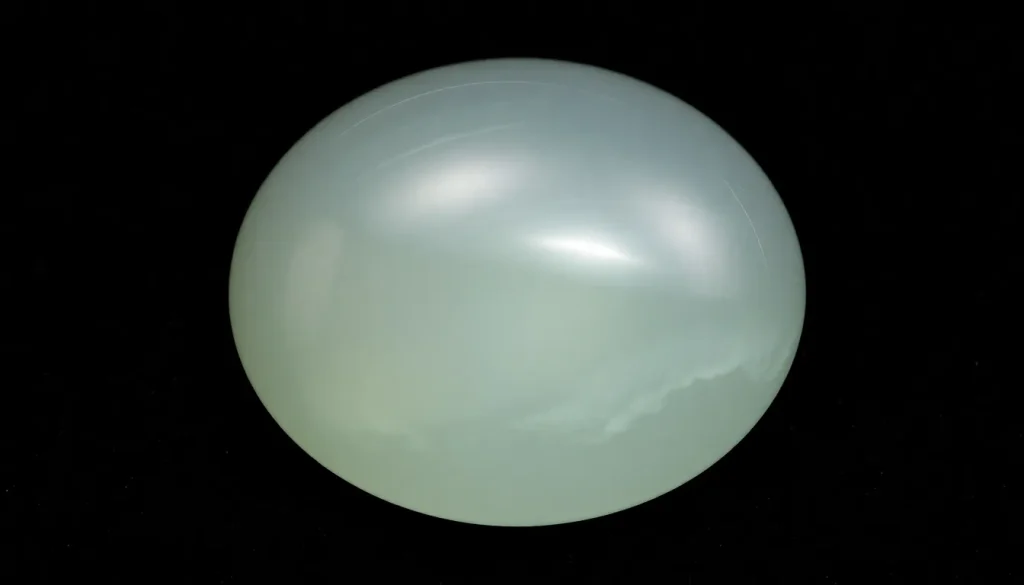
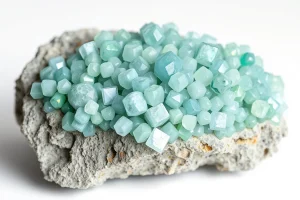
Shigaite is a rare silicate mineral that occurs in compact, often microcrystalline aggregates. It is most commonly found in shades of pale green to grey, sometimes displaying a faint translucency. While not a major commercial gemstone, select specimens are cut as cabochons or used as collector pieces. The stone derives its name from Shiga Prefecture in Japan, where it was first identified.
History and Origin
The mineral was first described in the early 20th century from a locality in the Kawachi Mine, Shiga Prefecture. Since its discovery, Shigaite has been reported from a handful of metamorphic environments worldwide, typically associated with manganese‑rich schists and low‑grade metamorphic zones. Its rarity and the limited size of gem‑quality crystals have kept it largely within the realm of mineral collectors rather than mainstream jewelry markets.
Meaning and Symbolism
Traditional lore associates Shigaite with the concepts of renewal and subtle transformation. Its muted green tones are thought to reflect the gentle growth of new life, while the stone’s modest brilliance is said to encourage humility and inner balance. In contemporary crystal‑healing circles, Shigaite is sometimes used as a meditation aid to promote patience and steady progress toward personal goals.
Healing and Metaphysical Properties
Within crystal‑healing belief systems, Shigaite is credited with the following properties:
- Emotional grounding: Supposed to help calm nervous tension and foster emotional stability.
- Energy clearing: Believed to assist in clearing stagnant energy patterns, especially in the heart and solar plexus areas.
- Support for decision‑making: Said to encourage clear thinking and confidence in making choices.
These attributes are based on traditional and modern metaphysical teachings and are not intended as medical advice.
Varieties and Types
Because Shigaite is a distinct mineral species, it does not have widely recognized varieties. However, collectors sometimes differentiate specimens based on:
- Color intensity: Ranging from very light, almost colourless material to deeper olive‑green tones.
- Crystal habit: Microcrystalline aggregates versus well‑formed prismatic crystals.
- Inclusions: Some stones contain minute mica or chlorite inclusions that affect translucency.
These nuances influence both aesthetic appeal and market value.
Jewelry Uses and Care
When cut, Shigaite is typically fashioned into cabochons or low‑profile beads to showcase its subtle colour and avoid stressing its crystal structure. Its Mohs hardness, generally between 5.5 and 6.5, makes it suitable for earrings, pendants, and occasional rings, provided the wearer observes proper care.
- Cleaning: Use a soft, lint‑free cloth and mild soap‑water solution. Avoid ultrasonic cleaners, which may loosen micro‑fractures.
- Storage: Keep separate from harder gemstones such as quartz or topaz to prevent scratching.
- Exposure: Prolonged sunlight may fade the delicate green hue over many years; store in a cool, dark place when not in use.
Buying Guide
When purchasing Shigaite, consider the following factors:
- Origin documentation: Reputable dealers should provide provenance, especially if the stone originates from the original Japanese localities.
- Color and clarity: Look for even colour distribution and minimal inclusions that could affect durability.
- Treatment disclosure: Some specimens may be stabilized or dyed to enhance colour; request full disclosure.
- Certification: For higher‑value pieces, a gemological laboratory report confirming the mineral species is advisable.
Because Shigaite is uncommon, prices vary widely based on size, colour intensity, and whether the stone is natural or treated.
FAQ
What is Shigaite good for?
Shigaite is valued by collectors for its rarity and subtle green coloration. In crystal‑healing circles, it is traditionally believed to aid emotional grounding and decision‑making, though these uses are not medically verified.
Is Shigaite rare?
Yes, Shigaite is considered rare. High‑quality, gem‑size crystals are limited to a few localities, and most specimens are small aggregates. Rarity is heightened by its limited occurrence and the modest number of untreated stones.
How can you tell if Shigaite is real?
Authentic Shigaite will exhibit a monoclinic crystal habit, a Mohs hardness around 5.5–6.5, and the characteristic pale green to grey colour. Professional gemologists can confirm identity through X‑ray diffraction or spectroscopic analysis.
What chakra is Shigaite associated with?
There is no universally accepted chakra association for Shigaite. Some metaphysical practitioners link it to the Heart Chakra because of its green tones, but this is a belief rather than a scientific fact.
How should you clean Shigaite?
Clean Shigaite with a soft cloth and lukewarm soapy water. Avoid abrasive cleaners, ultrasonic baths, or harsh chemicals. Store it separately from harder gemstones to prevent scratches, and keep it out of prolonged direct sunlight.
Leave a Reply