
Short Answer
Overview
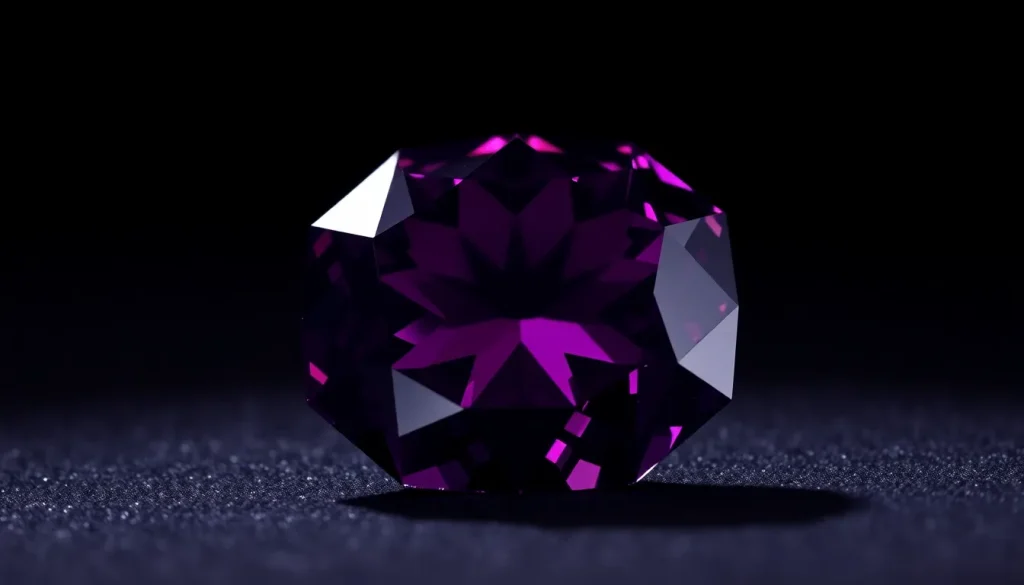
Stibiotantalite is a rare oxide mineral composed of bismuth, antimony and tantalum. It is most valued as a gemstone for its striking violet to pink hues, high refractive index and adamantine luster. The stone ranks 5.5–6 on the Mohs scale and is typically found in hydrothermal veins.
History and Origin
The mineral was first described in 1969 from the Stibnite‑Tantalite district of the Canadian Shield. Its name combines “stibio‑” (referring to antimony) and “tantalite” (its tantalum‑rich nature). Commercial gem‑quality material has since been reported from a few localities in North America, Africa and Eurasia.
Meaning and Symbolism
In contemporary gemstone lore, stibiotantalite is associated with transformation, intuition and inner vision. Its violet coloration is said to echo the mystery of the night sky, encouraging the wearer to pursue personal growth and spiritual insight.
Healing and Metaphysical Properties
Traditional crystal‑healing beliefs attribute the stone with the ability to stimulate the third‑eye chakra, enhance psychic perception, and promote mental clarity. Practitioners claim it can help release old patterns and support emotional balance, though these uses are not supported by medical science.
Varieties and Types
The gemstone occurs in several color varieties, the most common being:
- Violet‑Lilac: The classic hue, ranging from pale lavender to deep violet.
- Pink: A softer, rose‑tinged variant that is rarer.
- Gray‑ish: Occasionally observed in heavily included stones.
All varieties share a high refractive index and strong dispersion, which give the stone its characteristic fire.
Jewelry Uses and Care
Because of its brilliance, stibiotantalite is set in rings, pendants, earrings and high‑end watch bezels. The stone’s moderate hardness means it should be protected from scratches; settings that shield the surface are recommended. Cleaning is best performed with a soft brush and mild detergent, avoiding ultrasonic cleaners if the stone has been heat‑treated.
Buying Guide
When selecting stibiotantalite, consider the following factors:
- Color saturation: Deep, even violet or pink hues are most desirable.
- Clarity: Inclusions are common; a clean, well‑cut stone shows more sparkle.
- Cut and proportions: Well‑proportioned facets maximize fire.
- Origin and treatment disclosure: Reputable dealers will state whether the stone is natural or has been heat‑treated to enhance color.
Because the market is limited, prices can vary widely. Obtain a certificate from a recognized gem‑ological laboratory when possible.
FAQ
What is stibiotantalite good for?
Stibiotantalite is primarily valued for its vivid violet‑to‑pink color and high brilliance in jewelry. Traditionally, it is believed to aid intuition and spiritual insight, but these claims are not medically verified.
Is stibiotantalite rare?
High‑quality, vivid stones are relatively rare because the mineral occurs only in a few locales and gem‑grade material is limited. Rarity depends on color saturation, clarity, and whether the stone is natural or treated.
How can you tell if stibiotantalite is real?
Authentic stibiotantalite exhibits a high refractive index (≈2.3) and strong fire. Professional testing such as spectroscopy, density measurement, and certification from a gem‑ological lab provides reliable verification.
What chakra is stibiotantalite associated with?
In crystal‑healing traditions, stibiotantalite is linked to the Third Eye chakra, supporting intuition and mental clarity.
How should you clean stibiotantalite?
Clean with a soft brush, mild soap and lukewarm water. Avoid harsh chemicals, ultrasonic cleaners, and high‑temperature treatments, especially if the stone has been heat‑treated.
Leave a Reply