
Short Answer
Overview
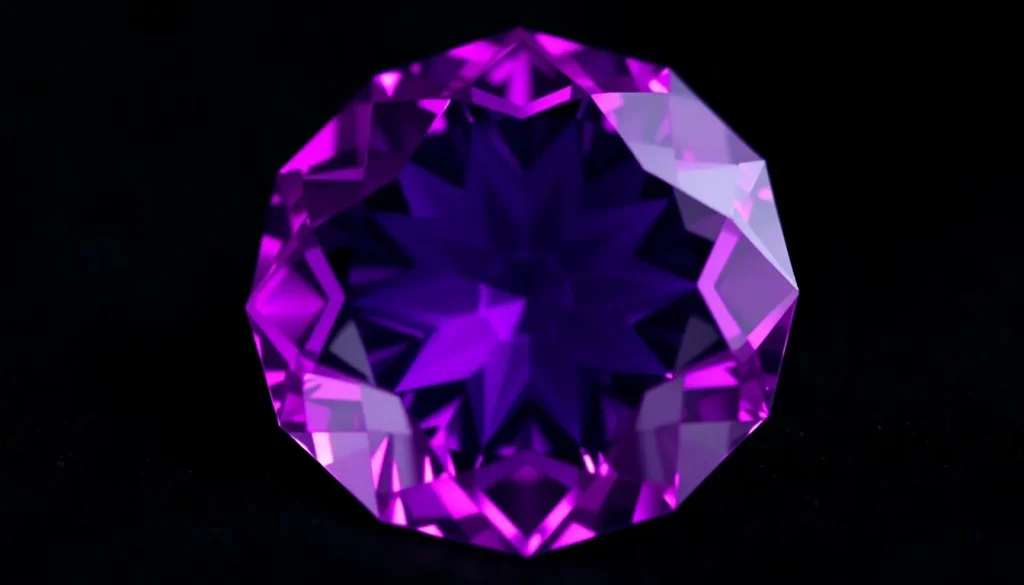
Taaffeite is a rare, naturally occurring gemstone belonging to the spinel group of oxides. It is best known for its delicate violet to pink colors, though it can also appear colorless, mauve, or light brown. With a Mohs hardness of 8–8.5, taaffeite exhibits excellent durability and a high‑index, adamantine luster that rivals many precious stones.
History and Origin
The stone was first identified in 1945 by gemologist Richard Taaffe, who mistook a pink spinel for a ruby. Subsequent analysis revealed a new mineral, later named taaffeite in his honor. Natural taaffeite has been found in alluvial deposits and pegmatites in Sri Lanka, Tanzania, Myanmar, Madagascar, and a few other localities.
Meaning and Symbolism
In gemstone lore, taaffeite is associated with inner wisdom, self‑confidence, and the ability to see beyond ordinary perception. Its subtle violet hue is thought to encourage spiritual growth and to aid in the expression of personal truth.
Healing and Metaphysical Properties
Traditional crystal‑healing beliefs attribute calming and protective energies to taaffeite. Practitioners claim it helps balance emotional turbulence, supports meditation, and aligns the wearer with higher‑vibrational thoughts. These properties are regarded as metaphysical and are not based on medical evidence.
Varieties and Types
- Violet‑Pink Taaffeite: The most common and prized coloration.
- Colourless (White) Taaffeite: Highly transparent, often used as a diamond substitute.
- Mauve or Lavender Taaffeite: Displays a soft, muted tone.
- Brownish or Greenish Taaffeite: Rare, usually of lower market value.
Jewelry Uses and Care
Because of its hardness and brilliance, taaffeite is suitable for all types of fine jewelry, including rings, earrings, pendants, and high‑end watches. When caring for taaffeite:
- Clean with warm, soapy water and a soft brush.
- Avoid ultrasonic cleaners if the stone is set in a fragile metal.
- Store separately from softer gems to prevent scratching.
- Professional inspection is recommended after any impact.
Buying Guide
When purchasing taaffeite, consider the following factors:
- Color saturation: Deep violet‑pink hues command the highest prices.
- Clarity: Inclusions are common; eye‑clean stones are rare.
- Cut: Well‑proportioned cuts maximize brilliance.
- Certification: Request a gem‑ological report from a reputable laboratory (e.g., GIA, IGI).
- Origin: Provenance from known localities (Sri Lanka, Tanzania) can add value.
Because taaffeite is extremely scarce, be wary of synthetic or treated stones marketed without proper documentation.
FAQ
What is taaffeite good for?
Taaffeite is prized for high‑end jewelry due to its rarity, hardness, and striking violet‑pink colors. Traditionally, it is also believed to support spiritual insight and emotional balance.
Is taaffeite rare?
Yes. Natural taaffeite is one of the world’s rarest gemstones; high‑quality, vividly colored stones are especially scarce, and most specimens come from only a few known localities.
How can you tell if taaffeite is real?
Professional identification involves measuring refractive index, specific gravity, and using spectroscopy. A certified gem‑lab report is the most reliable way to confirm authenticity.
What chakra is taaffeite associated with?
In crystal‑healing traditions, taaffeite is most commonly linked to the Crown Chakra, supporting higher consciousness and spiritual connection.
How should you clean taaffeite?
Clean gently with warm soapy water and a soft brush. Avoid harsh chemicals, ultrasonic cleaners on fragile settings, and store separately from softer gems to prevent scratches.
Leave a Reply