
Short Answer
Overview
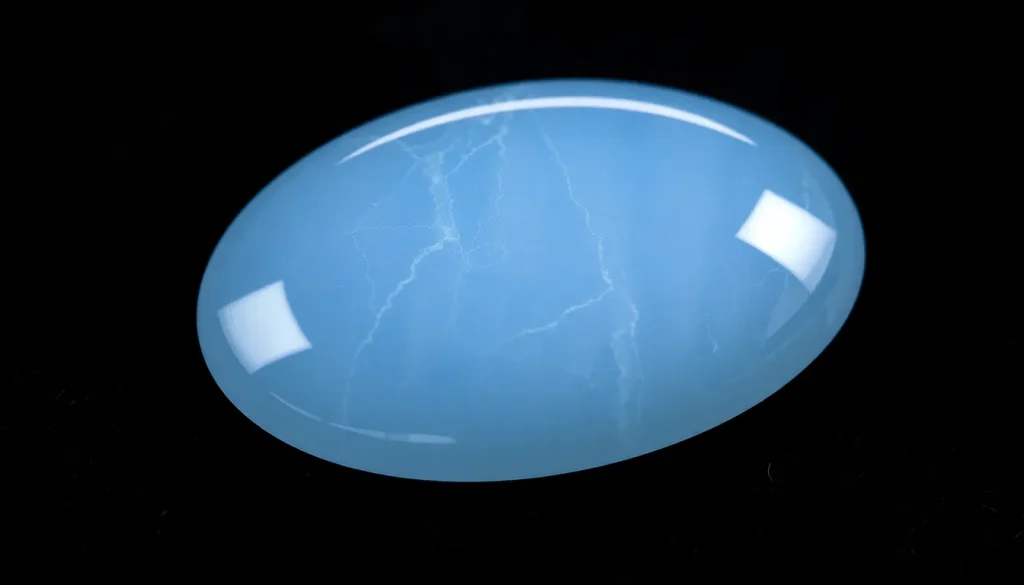
Thomsonite is a member of the zeolite group of silicate minerals. It forms in orthorhombic crystals that are typically prismatic or tabular, and it is most commonly found in pastel shades such as colorless, white, pale yellow, pink, green, and blue. Because of its relatively low hardness and attractive colors, Thomsonite is used primarily in ornamental pieces, cabochons, and as a collector’s mineral.
History and Origin
The mineral was first described in 1825 by the German mineralogist Christian Friedrich Schönbein and was named in honor of the English chemist Sir Charles Thomson, 1st Baronet, who contributed to early studies of zeolites. Natural deposits are found worldwide, with notable localities in the United States (Oregon, California, Nevada), Canada (British Columbia), Finland, Norway, Japan, and parts of Mexico. The stone has long been appreciated for its decorative appeal rather than as a traditional gemstone.
Meaning and Symbolism
In traditional crystal lore, Thomsonite is associated with clear communication, mental flexibility, and emotional balance. It is thought to help the wearer express ideas calmly and to aid in resolving misunderstandings. The pastel hues are also linked to gentle healing and the encouragement of inner peace.
Healing and Metaphysical Properties
Within crystal‑healing belief systems, Thomsonite is said to stimulate the throat chakra, fostering honest expression and the release of repressed emotions. Some practitioners also connect it to the heart chakra for emotional openness. These claims are not medical facts and should not replace professional healthcare advice.
Varieties and Types
Thomsonite occurs in several compositional varieties, the most common being:
- Thomsonite‑Ca: Calcium‑rich, the typical form found in most deposits.
- Thomsonite‑Sr: Strontium‑rich, rarer and sometimes displaying deeper hues.
- Blue Thomsonite: Exhibits a pale sky‑blue color, often prized for jewelry.
- Pink Thomsonite: Shows delicate pink tones, valued for its softness.
All varieties share the same orthorhombic crystal structure and similar physical properties.
Jewelry Uses and Care
Because Thomsonite rates 5.5–6 on the Mohs scale, it is suitable for earrings, pendants, and brooches where the stone is protected from impact. It is commonly cut as a cabochon to showcase its translucency. Care instructions include:
- Clean with warm, soapy water and a soft brush; avoid ultrasonic cleaners.
- Dry thoroughly before storage.
- Store away from harder gemstones (e.g., quartz, topaz) to prevent scratching.
- Avoid prolonged exposure to harsh chemicals or high heat.
Buying Guide
When purchasing Thomsonite, consider the following factors:
- Color intensity: Deeper, evenly distributed hues are rarer and usually command higher prices.
- Clarity: Inclusions are common; a clean, eye‑clean specimen is more valuable.
- Cut: Well‑executed cabochons that enhance the stone’s natural luster are preferred.
- Origin: Specimens from classic localities such as Oregon or Finland are often considered more authentic.
- Treatment disclosure: Natural Thomsonite is rarely treated, but any dyeing or stabilization should be disclosed by the seller.
n
Request a certificate of authenticity or a gem‑lab report for larger or unusually colored pieces.
FAQ
What is Thomsonite good for?
Thomsonite is valued for ornamental jewelry, decorative cabochons, and as a collector's mineral. In crystal‑healing circles, it is believed to aid clear communication and emotional balance.
Is Thomsonite rare?
Thomsonite is not considered rare overall, but high‑quality, deeply colored specimens (especially vivid blues or pinks) are less common and can be more valuable.
How can you tell if Thomsonite is real?
Examine the stone for a vitreous luster, a white streak, and a hardness of about 5.5–6. A professional gem‑lab can confirm its chemical composition and detect any treatments or synthetics.
What chakra is Thomsonite associated with?
Traditional beliefs link Thomsonite to the throat chakra for communication, and some also associate it with the heart chakra, though there is no universally accepted assignment.
How should you clean Thomsonite?
Clean Thomsonite gently with warm, soapy water and a soft brush. Avoid ultrasonic cleaners, harsh chemicals, and high heat, and store it separately from harder gemstones to prevent scratching.
Leave a Reply