
Short Answer
Overview
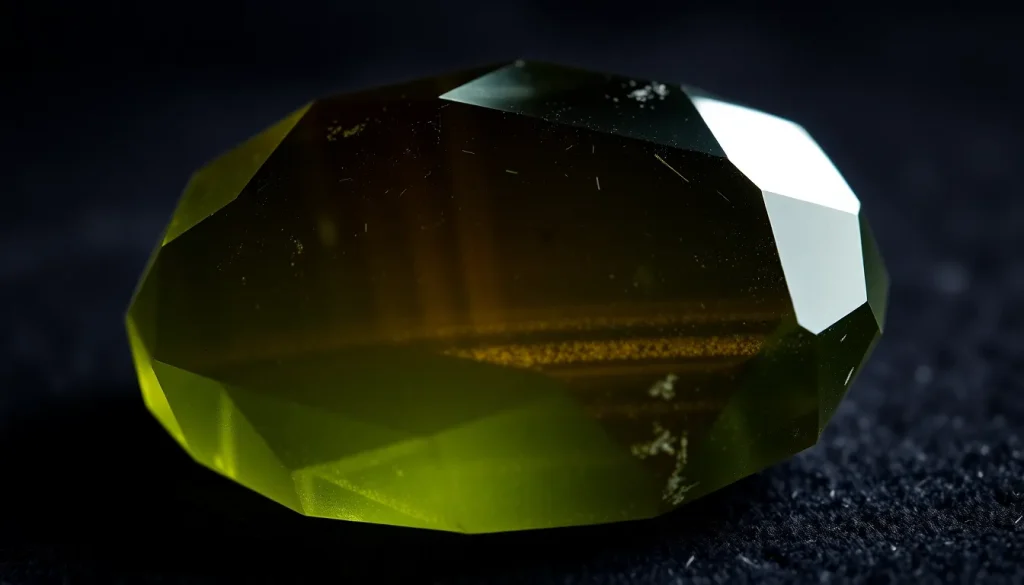
Triphylite is a phosphate mineral with the chemical formula LiFePO4. It belongs to the orthorhombic crystal system and typically occurs as tabular or prismatic crystals, often in massive aggregates. The stone’s most common colors range from pale green and yellow‑green to brownish‑green, sometimes appearing almost gray. Although not a mainstream gemstone, triphylite is occasionally cut for collectors’ pieces and for its association with lithium‑rich battery technology, giving it a modern scientific allure.
History and Origin
The name “triphylite” derives from the Greek words tri (three) and phylos (leaf), referring to its typical three‑fold symmetry. It was first described in 1813 from specimens found in the Lengenbach quarry, Switzerland. Naturally occurring triphylite forms in lithium‑rich pegmatites and granitic environments where iron and phosphate are present. Over time, the mineral has been reported from several continents, including South America, Africa, North America, and Eurasia. Its industrial relevance grew in the 20th century when the lithium‑iron phosphate composition was recognized as a safe cathode material for rechargeable batteries.
Meaning and Symbolism
In traditional crystal lore, triphylite’s green tones are linked to growth, renewal, and the heart’s compassionate energy. It is said to encourage emotional balance, foster optimism, and support the wearer’s ability to adapt to change. Because the mineral contains lithium—a metal historically associated with mood‑stabilizing properties—some practitioners view triphylite as a stone that can aid emotional steadiness, though this is a belief rather than a medical claim.
Healing and Metaphysical Properties
Crystal‑healing traditions attribute the following properties to triphylite:
- Emotional Healing: Promotes calmness, reduces anxiety, and helps release old emotional patterns.
- Physical Support: Traditionally believed to assist the nervous system and support healthy lithium balance, though no clinical evidence exists.
- Spiritual Growth: Encourages heart‑centered meditation, fostering compassion and openness.
These attributes are based on folklore and should not replace professional medical advice.
Varieties and Types
Triphylite forms a solid‑solution series with its manganese‑rich analogue lithiophilite (LiMnPO4). Specimens may display a gradual transition from iron‑dominant (triphylite) to manganese‑dominant (lithiophilite), resulting in subtle color shifts from green to pinkish hues. The most prized triphylite gems are those with a vivid, uniform green and minimal oxidation, as exposure to air can gradually turn the mineral brown due to iron oxidation.
Jewelry Uses and Care
Because triphylite rates only 4–5 on the Mohs hardness scale and possesses perfect cleavage on {010}, it is considered relatively soft and brittle for everyday wear. When set in jewelry, it is best used in pendants, earrings, or brooches that limit impact. Care recommendations include:
- Avoid Scratches: Clean with a soft, lint‑free cloth; do not use abrasive cleaners.
- Limit Exposure to Heat & Chemicals: High temperatures and strong acids can accelerate oxidation and alter color.
- Store Separately: Keep triphylite pieces apart from harder gemstones to prevent scratching.
- Gentle Cleaning: Use mild soap and lukewarm water; rinse thoroughly and pat dry.
Professional gemologists often recommend sealing the stone with a clear, breathable coating if the piece will be worn frequently.
Buying Guide
When purchasing triphylite, consider the following factors:
- Color Uniformity: Look for a consistent green without brown patches, which may indicate oxidation.
- Clarity: Inclusions are common, but large cracks or heavy clouding lower value.
- Cut & Finish: Well‑cut stones display good brilliance while minimizing stress on cleavage planes.
- Origin Documentation: Reputable dealers provide provenance, especially for specimens from renowned localities such as Brazil or Madagascar.
- Treatment Disclosure: Natural triphylite is rarely treated, but some stones may be stabilized with resin; ask for details.
Because triphylite is not widely available in the mainstream market, prices vary widely—from modest collector’s pieces to higher‑end cabochons sourced from premium deposits. Always request a gem‑ological report when buying larger or unusually vivid stones.
FAQ
What is triphylite good for?
Triphylite is valued by collectors for its unique green color and crystal habit, and by crystal‑healing enthusiasts for its traditional associations with emotional balance and heart‑centered growth. It also has scientific interest as a lithium‑iron phosphate material used in battery technology.
Is triphylite rare?
High‑quality, vivid green triphylite is relatively uncommon because the mineral oxidizes easily, turning brown. Good specimens are found in limited localities such as Brazil and Madagascar, making pristine material more scarce than many common gemstones.
How can you tell if triphylite is real?
Authentic triphylite displays orthorhombic crystal forms, a specific gravity around 3.4–3.5, and a refractive index in the 1.628–1.640 range. A professional gem‑lab can confirm identity with X‑ray diffraction or spectroscopic analysis. Beware of glass imitations that mimic its green hue.
What chakra is triphylite associated with?
Traditionally, triphylite is linked to the Heart (Anahata) chakra due to its green coloration, which is believed to support love, compassion, and emotional healing.
How should you clean triphylite?
Clean triphylite gently with a soft cloth and mild soapy water. Avoid ultrasonic cleaners, harsh chemicals, and high‑temperature steam, as the stone is soft (Mohs 4–5) and can oxidize or fracture along its perfect cleavage.
Leave a Reply