
Short Answer
Overview
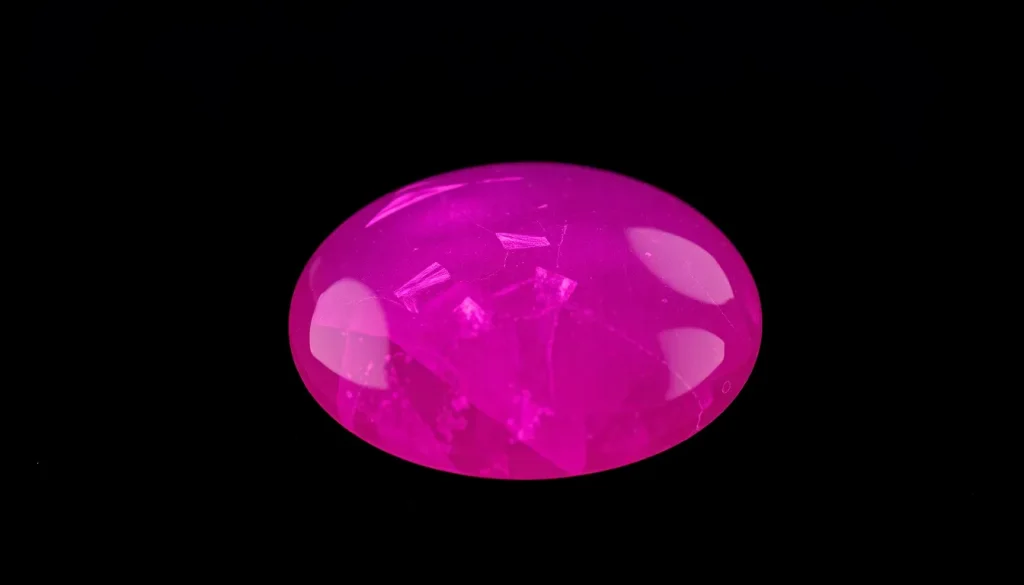
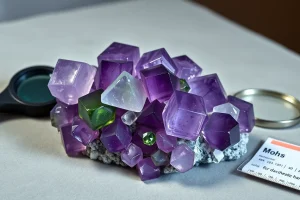
Tugtupite is a rare member of the sodalite group, classified as a halide mineral with a silicate framework. It is best known for its striking pink to violet colors, which can fluoresce bright pink under ultraviolet light. Although not as common as other gemstones, its vivid hue and rarity make it a prized collector’s stone and a unique choice for jewelry.
History and Origin
The name “tugtupite” comes from the Tugtup Valley in southern Greenland, where the mineral was first described in 1962. Subsequent occurrences have been documented in the Canadian Arctic (Nunavut) and the Kola Peninsula of Russia. Historically, the stone has been used as a decorative mineral and, more recently, cut into cabochons for fine jewelry.
Meaning and Symbolism
In traditional crystal lore, tugtupite is associated with inner vision, emotional balance, and transformation. Its pink and violet tones are thought to encourage love, compassion, and spiritual insight, making it a popular talisman for those seeking emotional healing or creative inspiration.
Healing and Metaphysical Properties
Crystal‑healing practitioners claim tugtupite can aid in releasing past emotional wounds, enhancing intuition, and supporting the heart‑chakra’s energy flow. It is also believed to stimulate the third‑eye chakra, promoting clarity of thought and psychic awareness. These properties are based on traditional beliefs and should not be considered medical advice.
Varieties and Types
The most common varieties are:
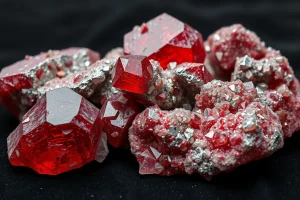
- Pink/Red tugtupite – intense pink to deep red, often the most sought after.
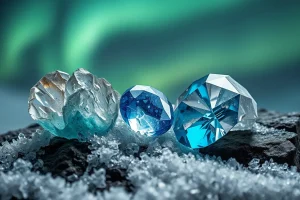
- Violet/Blue tugtupite – ranges from pale violet to deep blue, sometimes displaying strong UV fluorescence.
- Colorless or white – less common, usually valued for its clarity rather than color.
All varieties share the same crystal structure and chemical composition, with color differences arising from trace impurities.
Jewelry Uses and Care
Tugtupite is typically cut as a cabochon or polished bead to showcase its color and fluorescence. Because its hardness is 5–6 on the Mohs scale, it is suitable for pendants, earrings, and brooches but should be avoided in rings that are subject to heavy wear.
Care recommendations:
- Clean with warm, soapy water and a soft brush; avoid ultrasonic cleaners.
- Store separately from harder gemstones to prevent scratching.
- Protect from prolonged exposure to strong heat or direct sunlight, which can affect fluorescence.
Buying Guide
When purchasing tugtupite, consider the following factors:
- Color intensity – Deep, vivid pink or violet colors are most valuable.
- Clarity – Inclusions are common; a clean, translucent stone commands a higher price.
- Fluorescence – Strong UV fluorescence can increase desirability for collectors.
- Cut and polish – Well‑finished cabochons highlight the stone’s natural luster.
- Origin – Specimens from Greenland are often considered the most authentic, though Canadian and Russian sources also produce quality material.
Always request a gemological report from a reputable laboratory to verify authenticity and any treatments.
FAQ
What is tugtupite good for?
Tugtupite is valued for its vivid pink‑violet colors and fluorescence, making it popular in jewelry and as a collector’s stone. In crystal‑healing traditions, it is believed to support emotional balance and intuitive insight.
Is tugtupite rare?
High‑quality tugtupite is relatively rare. Good specimens with intense color, clarity, and strong fluorescence are limited, especially from classic localities such as Greenland.
How can you tell if tugtupite is real?
Real tugtupite displays a vitreous luster, a hardness of 5–6, and often fluoresces under UV light. A professional gemological laboratory can confirm its chemical composition and detect any synthetic imitations.
What chakra is tugtupite associated with?
In crystal lore tugtupite is commonly linked to the Third Eye chakra for intuition, and sometimes to the Crown chakra for spiritual awareness.
How should you clean tugtupite?
Clean tugtupite with warm, soapy water and a soft brush. Avoid ultrasonic cleaners and harsh chemicals, and store it separately from harder gemstones to prevent scratching.
Leave a Reply