
Short Answer
Overview
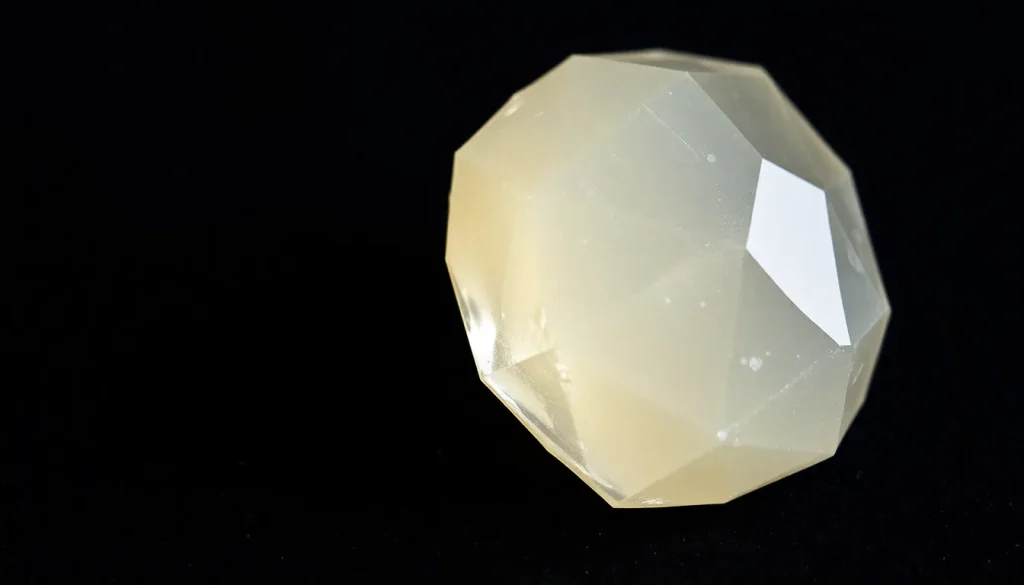
Wardite is a secondary phosphate mineral with the chemical formula NaAl(PO₄)₂·2H₂O. It crystallizes in the tetragonal system and is most commonly encountered as colourless to white, sometimes showing pale yellow, pink, or green hues. The mineral exhibits a vitreous luster, a white streak, and a Mohs hardness of 4.5–5, which makes it suitable for modest jewelry applications when cut and set carefully.
History and Origin
The name “wardite” honors Charles W. Ward (1858–1920), an American mineralogist who contributed extensively to the study of phosphate minerals. First described in 1902 from specimens collected in the United States, wardite is typically formed as a secondary mineral in phosphate‑rich pegmatites and granitic environments. Notable localities include California and New Mexico (USA), Brazil, Madagascar, Namibia, Russia’s Ural region, and parts of Canada. Because it often occurs as a coating or crust on other minerals, high‑quality, gem‑grade crystals are relatively uncommon.
Meaning and Symbolism
In traditional gemstone lore, wardite is associated with clarity of thought and gentle communication. Its clear, almost ethereal appearance is said to symbolize purity and the ability to see situations without distortion. The stone is sometimes linked to the heart centre, representing compassion and emotional balance.
Healing and Metaphysical Properties
Within crystal‑healing circles, wardite is believed to promote calmness, improve concentration, and assist in the expression of inner truths. Practitioners claim it can help alleviate stress, support the respiratory system, and enhance the flow of energy through the heart chakra. These properties are based on longstanding metaphysical traditions and should not be taken as medical advice.
Varieties and Types
Wardite does not have widely recognized varietal names, but specimens can differ noticeably in colour and habit:
- Colourless/White Wardite – the most common, prized for its transparency.
- Pale Yellow Wardite – a subtle hue caused by trace iron or manganese.
- Pink or Greenish Wardite – rarer, resulting from trace impurities.
All varieties share the same basic crystal structure and chemical composition, differing mainly in trace element content.
Jewelry Uses and Care
Because of its moderate hardness, wardite is best suited for earrings, pendants, and brooches where abrasion is limited. It can be cut into cabochons, beads, or shallow facets. When cleaning, use a soft brush and mild soap with lukewarm water; avoid ultrasonic cleaners and harsh chemicals, as the mineral can be sensitive to sudden temperature changes.
Storage should be in a padded compartment away from harder gemstones such as quartz or topaz to prevent scratching.
Buying Guide
When purchasing wardite, consider the following factors:
- Color and Clarity – Colourless or lightly tinted stones with minimal inclusions command higher prices.
- Cut Quality – Well‑polished cabochons or expertly faceted pieces display the stone’s subtle luster best.
- Origin – Specimens from classic localities like California or Brazil are often preferred by collectors.
- Treatment Disclosure – Wardite is rarely treated, but any heat or dyeing should be disclosed by the seller.
- Certification – For higher‑value pieces, request a gemological report from a recognized laboratory.
Due to its rarity, wardite jewelry typically falls in the moderate price range, but exceptional pieces can be more valuable.
FAQ
What is Wardite good for?
Wardite is valued for its delicate appearance in jewelry and collectors' pieces, and traditionally it is believed to support clear communication and emotional balance.
Is Wardite rare?
High‑quality, gem‑grade wardite is relatively rare because it forms as a secondary mineral in limited localities and often occurs in small, fragile crystals.
How can you tell if Wardite is real?
Real wardite is typically colourless to white with a vitreous luster, a Mohs hardness of 4.5–5, and a white streak. Professional testing, such as refractive index measurement or X‑ray diffraction, confirms authenticity.
What chakra is Wardite associated with?
In crystal‑healing traditions, Wardite is most commonly linked to the Heart chakra, promoting compassion and emotional clarity.
How should you clean Wardite?
Clean wardite gently with lukewarm soapy water and a soft brush. Rinse thoroughly and pat dry with a lint‑free cloth. Avoid ultrasonic cleaners, harsh chemicals, and extreme temperature changes.
Leave a Reply