
Short Answer
Overview
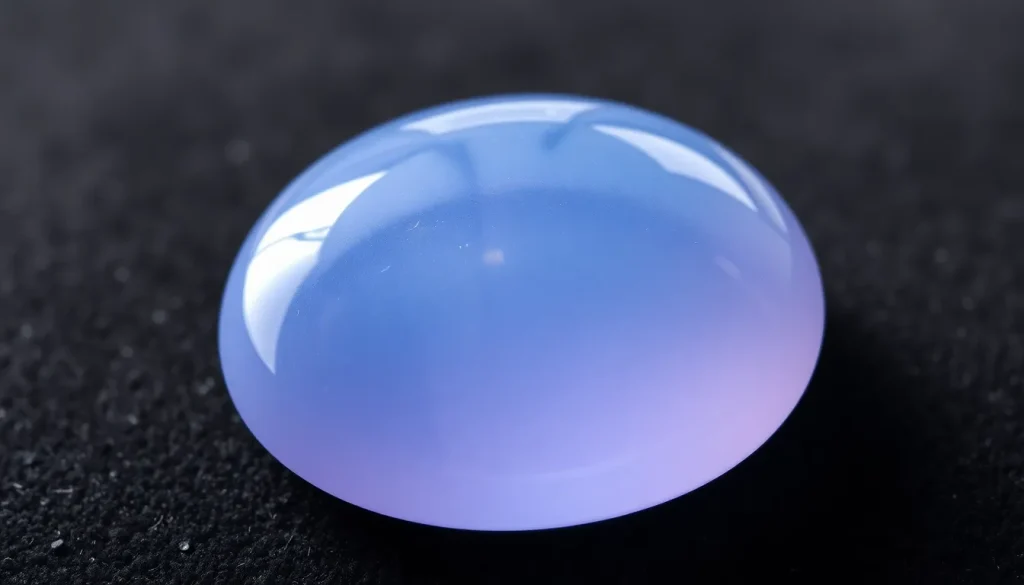
Weloganite is an uncommon carbonate mineral that is occasionally cut for use in high‑end collector pieces. It typically exhibits pale blue, lavender, or near‑colorless tones and displays a vitreous luster. Chemically it belongs to the carbonate family and contains sodium, calcium, and carbonate groups. Its rarity, distinct coloration, and limited localities make it a sought‑after specimen for mineral collectors and a niche gemstone for bespoke jewelry.
History and Origin
Weloganite was first identified in 1966 from specimens collected at the Francon Quarry near Mont Saint‑Hilaire in Quebec, Canada. The mineral was named in honor of J. Welogan, a Canadian geologist who contributed to the study of the region’s unusual alkaline‑rich pegmatites. Since its discovery, additional occurrences have been reported from a few alkaline complexes in Canada and, more rarely, from similar geological settings in the United States. The mineral’s formation is associated with low‑temperature hydrothermal alteration of carbonate‑rich rocks.
Meaning and Symbolism
In traditional gemstone lore, welogelite’s cool blue‑violet palette is linked to calmness, inner reflection, and clarity of thought. It is said to encourage honest communication and to support the expression of truth. Because it is a relatively recent discovery, it does not have a long‑standing cultural mythology, but contemporary collectors often view it as a symbol of rarity and personal uniqueness.
Healing and Metaphysical Properties
Crystal‑healing practitioners attribute a range of metaphysical qualities to weloganite. It is believed to aid the throat chakra, helping individuals speak their truth and enhance creative expression. Some claim it supports the third‑eye chakra, fostering intuition and mental clarity. These properties are traditional beliefs and are not supported by scientific evidence; they should not replace professional medical advice.
Varieties and Types
Weloganite does not have officially recognized gem‑quality varieties, but specimens can differ in color intensity and clarity. The most common hues are:
- Pale blue – the classic color most associated with the name.
- Lavender/violet – sometimes observed in specimens with trace impurities.
- Colorless – nearly transparent stones that may be used for subtle cabochons.
Occasional pinkish tones have been reported, though they are extremely rare. All types share the same crystal structure and chemical composition.
Jewelry Uses and Care
Because weloganite is relatively soft (Mohs hardness around 3.5–4) and can exhibit cleavage, it is most often fashioned into protective settings such as bezel or pendant backs. Cabochons and low‑profile beads are the preferred cuts, allowing the stone to be displayed without exposing vulnerable faces. When incorporated into jewelry, weloganite is best suited for occasional wear rather than daily‑use pieces.
Care guidelines:
- Avoid harsh chemicals, ultrasonic cleaners, and steam cleaning.
- Clean gently with a soft, lint‑free cloth and mild soapy water.
- Store separately from harder gemstones to prevent scratching.
- Protect from prolonged sunlight; extended exposure may fade the delicate color.
Buying Guide
When purchasing weloganite, consider the following factors:
- Origin documentation – Reputable dealers will provide locality information, preferably confirming a Canadian source.
- Color and clarity – Look for uniform pale blue or violet tones with minimal inclusions. Colorless stones should be truly transparent.
- Cut and setting – Because of its softness, well‑cut cabochons with protective settings are a sign of thoughtful craftsmanship.
- Treatment disclosure – Weloganite is rarely treated, but any heat or dyeing should be fully disclosed.
- Price range – Expect higher prices for larger, high‑quality specimens; small cabochons may be more affordable but still reflect the stone’s rarity.
For confidence, request a gemological report from a recognized laboratory (e.g., GIA, IGI) that confirms the mineral’s identity and any treatments.
FAQ
What is weloganite good for?
Weloganite is prized by collectors for its rare blue‑violet color and is occasionally used in cabochon jewelry. Traditional crystal‑healing beliefs associate it with clear communication and intuitive insight, though these are not medically proven.
Is weloganite rare?
Yes. High‑quality weloganite is scarce because it forms only in a few alkaline pegmatite environments, primarily in Quebec, Canada. Large, clear stones are especially uncommon and command higher prices.
How can you tell if weloganite is real?
A genuine weloganite will display its characteristic pale blue to violet hue, a vitreous luster, and a specific gravity lower than many silicate gems. Because its hardness is low, a simple scratch test with a fingernail (which should not leave a mark) can be indicative, but professional gemological analysis (e.g., spectroscopy) is recommended for certainty.
What chakra is weloganite associated with?
In crystal‑healing traditions, weloganite is linked to the Throat chakra for communication and the Third Eye chakra for intuition. These associations are symbolic and not scientifically validated.
How should you clean weloganite?
Clean gently with lukewarm soapy water and a soft cloth. Avoid ultrasonic cleaners, steam, harsh chemicals, and prolonged sunlight exposure, as the stone is relatively soft (Mohs 3.5‑4) and can be damaged by abrasion or heat.
Leave a Reply