
Short Answer
Overview
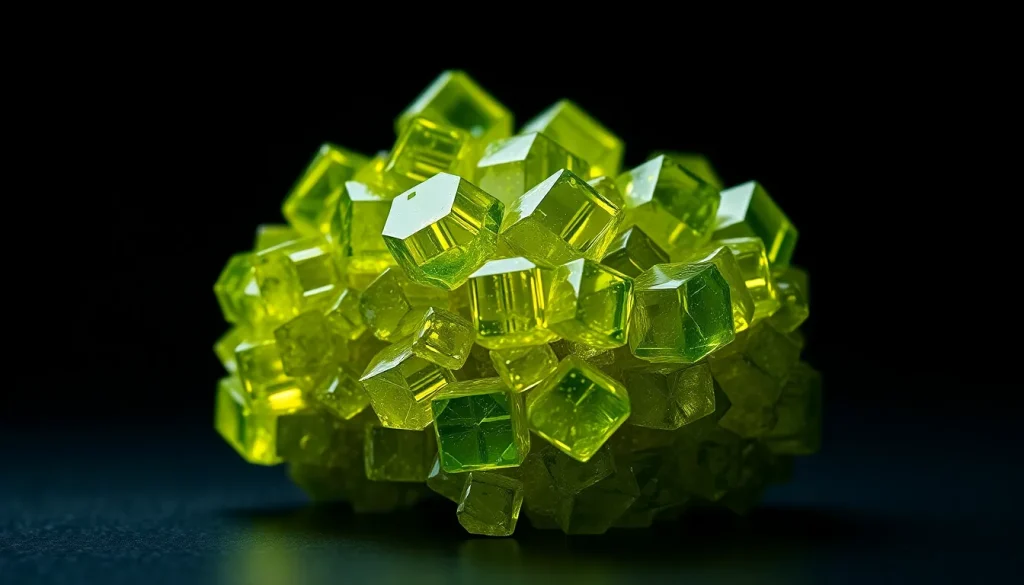
Wurtzite is the hexagonal polymorph of zinc sulfide (ZnS). It forms in the hexagonal crystal system and is known for its adamantine to resinous luster and a color range that includes yellow, green, brown, black, and colour‑less specimens. Although primarily a collector’s mineral, wurtzite is occasionally cut for use in jewelry.
History and Origin
The mineral was first described in 1861 by French chemist Charles‑Adolphe Wurtz, after whom it is named. Wurtzite occurs in high‑temperature hydrothermal veins, skarn deposits, and as a sublimation product in volcanic fumaroles. It is the less common, high‑temperature counterpart to sphalerite, the cubic form of ZnS.
Meaning and Symbolism
In traditional gemstone lore, wurtzite is said to promote clear communication, personal growth, and the ability to express truth. Its bright yellow hues are often associated with optimism and mental clarity.
Healing and Metaphysical Properties
Crystal‑healing practitioners attribute wurtzite with support for the thyroid gland, skin health, and the nervous system. It is believed to aid in overcoming shyness, enhancing confidence, and fostering a sense of purpose. These properties are based on folklore and are not medical advice.
Varieties and Types
- Natural wurtzite – unaltered mineral from geological settings.
- Synthetic wurtzite – produced in laboratories for research and occasionally for ornamental purposes.
- Fluorescent wurtzite – exhibits bright green or orange fluorescence under short‑wave ultraviolet light.
Jewelry Uses and Care
Because of its modest hardness (3.5–4 on the Mohs scale) and perfect basal cleavage, wurtzite is best used in pendants, earrings, or cabochon settings where it is protected from impact. Care recommendations include:
- Clean with warm, soapy water and a soft, lint‑free cloth.
- Avoid ultrasonic cleaners and harsh chemicals.
- Store separately from harder gemstones to prevent scratching.
Buying Guide
When selecting wurtzite, consider the following factors:
- Color and clarity – vivid, uniform color and minimal inclusions are most desirable.
- Cut – cabochon or low‑profile cuts protect the stone’s cleavage.
- Origin – reputable dealers will disclose whether a specimen is natural or synthetic.
- Certification – for high‑value pieces, request a gemological report from a recognized laboratory.
FAQ
What is wurtzite good for?
Wurtzite is valued by collectors for its distinct crystal habit and occasional use in jewelry. Traditional beliefs also associate it with improved communication and confidence.
Is wurtzite rare?
Wurtzite is not extremely rare in nature, but gem‑quality stones with vivid color and good clarity are relatively uncommon, making them sought after by enthusiasts.
How can you tell if wurtzite is real?
Real wurtzite shows a hardness of 3.5–4, a white streak, and often fluoresces under UV light. Professional testing such as refractive index measurement or spectroscopy can confirm authenticity.
What chakra is wurtzite associated with?
In crystal‑healing traditions, wurtzite is linked to the Throat chakra, supporting clear self‑expression and communication.
How should you clean wurtzite?
Clean wurtzite with warm, mild soapy water and a soft cloth. Avoid ultrasonic cleaners, harsh chemicals, and extreme temperature changes, as the stone is relatively soft and cleavage‑sensitive.
Leave a Reply