
Short Answer
Overview
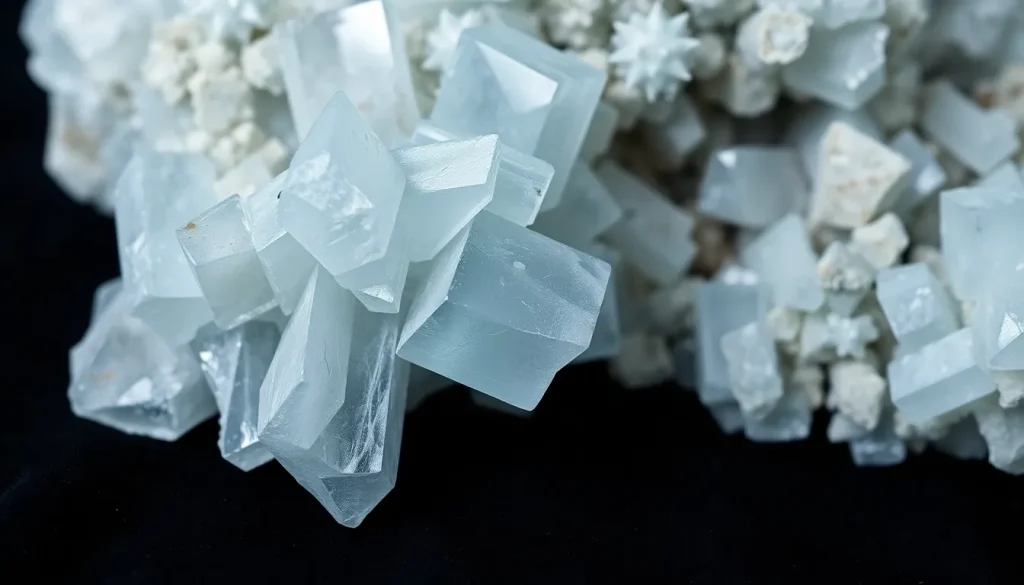
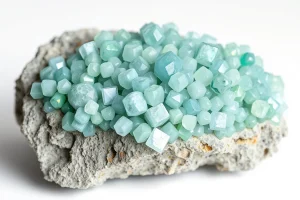
Zektzerite is a rare, naturally occurring silicate mineral that is occasionally cut for use in fine jewelry. It typically forms prismatic, tabular crystals with a vitreous luster and displays a color range from colorless to very light blue or pale yellow. The stone is prized for its subtle beauty and its rarity in the gem market.
History and Origin
The mineral was first described in the early 20th century from specimens collected near the Zektzer River in Alaska, United States. Subsequent occurrences have been reported from a few scattered localities in Canada and Siberian Russia. Because the deposits are small and the crystals are often modest in size, Zektzerite has remained a collector’s gem rather than a commercial staple.
Meaning and Symbolism
In traditional gemstone lore, Zektzerite is associated with clarity of thought and gentle communication. Its clear to pale‑blue coloration is said to symbolize calm waters and the openness of the sky, encouraging mental peace and honest expression.
Healing and Metaphysical Properties
Crystal‑healing practitioners attribute Zektzerite with the ability to enhance mental clarity, aid in decision‑making, and support the throat and crown chakras. It is believed to promote calm, reduce anxiety, and help the wearer articulate truth. These properties are based on long‑standing metaphysical traditions and are not medical claims.
Varieties and Types
True Zektzerite is relatively uniform in composition, but minor variations in trace elements can produce subtle differences in hue:
- Colorless Zektzerite – the most common variety, prized for its diamond‑like transparency.
- Pale Blue Zektzerite – displays a faint sky‑blue tint caused by trace amounts of iron.
- Pale Yellow Zektzerite – a rare hue resulting from slight manganese content.
All varieties share the same crystal structure and physical properties.
Jewelry Uses and Care
Because Zektzerite rates between 6 and 6.5 on the Mohs hardness scale, it is suitable for earrings, pendants, and rings that are not subject to heavy wear. The stone should be set in protective settings such as bezels or channels to minimize impact. Care instructions include:
- Avoid harsh chemicals and prolonged exposure to acids.
- Clean with warm, soapy water and a soft brush; do not ultrasonic clean if the stone has been treated.
- Store separately from harder gemstones to prevent scratching.
Buying Guide
When purchasing Zektzerite, consider the following factors:
- Color and Clarity – Colorless stones with high transparency command the highest prices.
- Cut and Carat Weight – Well‑cut stones exhibit strong brilliance; larger specimens are exceptionally rare.
- Origin and Certification – Reputable dealers can provide provenance and, if available, a gemological report confirming identity and any treatments.
- Setting Compatibility – Choose settings that protect the stone from knocks, especially for rings.
Because Zektzerite is uncommon, price ranges can vary widely. Always request a return policy and documentation before finalizing a purchase.
FAQ
What is Zektzerite good for?
Zektzerite is valued for its subtle color and clarity in fine jewelry, and traditionally it is believed to aid mental clarity and honest communication.
Is Zektzerite rare?
Yes, Zektzerite is considered rare because it occurs only in a few small localities and sizable, high‑quality crystals are uncommon.
How can you tell if Zektzerite is real?
Authentic Zektzerite shows a vitreous luster, a hardness of about 6–6.5, and a refractive index around 1.57–1.59. Professional gemological testing, such as spectroscopy or a certified gem lab report, is recommended for certainty.
What chakra is Zektzerite associated with?
In crystal‑healing traditions, Zektzerite is commonly linked to the Crown Chakra, supporting higher consciousness and clear thought.
How should you clean Zektzerite?
Clean Zektzerite with warm, mild soapy water and a soft brush. Avoid ultrasonic cleaners if the stone has been treated, and keep it away from harsh chemicals or prolonged acid exposure.
Leave a Reply