
Short Answer
Overview
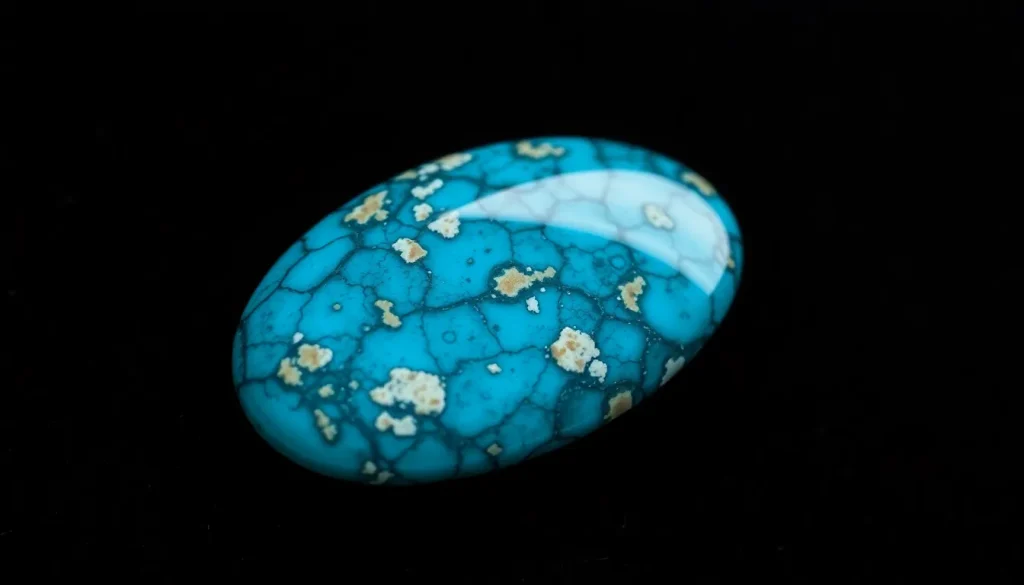
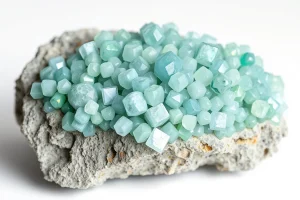
Chrysocolla is a hydrous copper silicate mineral, typically occurring as a cryptocrystalline mass or as a porous, microcrystalline aggregate. Its chemical formula is commonly expressed as (Cu,Al)₂H₂Si₂O₅(OH)₄·nH₂O, indicating variable copper‑to‑aluminum ratios and water of hydration. The stone is most recognizable for its intense blue‑green to turquoise coloration, often interspersed with white, brown, or black matrix material.
History and Origin
The name “chrysocolla” derives from the Greek words chrysos (gold) and kolla (glue), reflecting the ancient belief that the mineral could bind gold. Indigenous peoples of the Americas used chrysocolla in ornamental objects and trade long before European contact. Modern mining began in the 19th century, with major deposits identified in Chile (Arica), the United States (Arizona), Peru, and the Democratic Republic of Congo. Today, chrysocolla is still extracted from open‑pit and alluvial sources worldwide.
Meaning and Symbolism
In traditional gemstone lore, chrysocolla is associated with communication, truth, and emotional balance. Its soothing blue‑green hue is thought to encourage calm dialogue, enhance self‑expression, and foster harmonious relationships. The stone is also linked to personal empowerment, helping the wearer articulate inner truths without fear.
Healing and Metaphysical Properties
Crystal‑healing practitioners attribute a range of metaphysical qualities to chrysocolla. It is believed to stimulate the heart chakra, promoting love, compassion, and emotional healing. Some traditions claim it assists in reducing anxiety, easing stress, and encouraging a sense of inner peace. While these properties are part of spiritual practice, they are not supported by medical science and should not replace professional health care.
Varieties and Types
- Pure Chrysocolla – Typically found as a mass with a uniform turquoise color and minimal inclusions.
- Chrysocolla‑Quartz – A combination of chrysocolla with clear quartz crystals, creating a striking contrast between blue‑green and transparent sections.
- Chrysocolla‑Malachite – Intergrowths of chrysocolla and malachite, displaying green and blue‑green banding; often marketed as “Mali.”
- Massive Chrysocolla – Large, porous aggregates used for cabochons and inlays; the most common commercial form.
Jewelry Uses and Care
Because of its relatively low hardness (2.5–3.5 on the Mohs scale), chrysocolla is most suitable for earrings, pendants, beads, and inlays where abrasion is minimal. It is rarely used for rings or bracelets that endure heavy wear. When caring for chrysocolla jewelry:
- Avoid ultrasonic cleaners and steam cleaning; the stone can absorb moisture and become discolored.
- Wipe gently with a soft, damp cloth; use mild soap if needed.
- Store pieces separately in a padded pouch to prevent scratching from harder gemstones.
- Limit exposure to prolonged sunlight, which may fade the vivid blue‑green tones over time.
Buying Guide
When selecting chrysocolla, consider the following factors:
- Color and Uniformity: High‑quality stones display a vivid, evenly distributed blue‑green hue with minimal brown or black matrix.
- Matrix Presence: Some collectors value a natural matrix for character, while others prefer a cleaner appearance for cabochons.
- Treatment Disclosure: Stabilization, dyeing, or resin impregnation are sometimes applied to improve durability. Reputable sellers should disclose any enhancements.
- Cut and Finish: Well‑polished cabochons enhance the stone’s natural luster; rough or uneven surfaces may indicate low‑grade material.
- Certification: For larger or high‑value pieces, request a gemological report from a recognized laboratory (e.g., GIA, IGI).
Because chrysocolla is porous, it can be prone to staining. Verify that the seller provides care instructions and, if possible, a guarantee against excessive treatment.
FAQ
What is chrysocolla good for?
Chrysocolla is valued for its striking blue‑green color in jewelry and as a cabochon stone; traditionally it is believed to support clear communication and emotional balance, though these claims are spiritual rather than medical.
Is chrysocolla rare?
High‑quality, uniformly colored chrysocolla is less common than lower‑grade material, but the mineral itself is relatively abundant in copper‑rich deposits worldwide.
How can you tell if chrysocolla is real?
Real chrysocolla feels lightweight, has a porous feel, and often shows a matrix of white or brown inclusions. A professional gemological test (e.g., refractive index, specific gravity) can confirm authenticity and detect treatments.
What chakra is chrysocolla associated with?
In crystal‑healing traditions, chrysocolla is most commonly linked to the Heart chakra, supporting love, compassion, and emotional healing.
How should you clean chrysocolla?
Clean gently with a soft, damp cloth and mild soap; avoid ultrasonic cleaners, steam, or harsh chemicals. Store in a padded pouch away from harder gemstones to prevent scratches.
Leave a Reply