
Short Answer
Overview
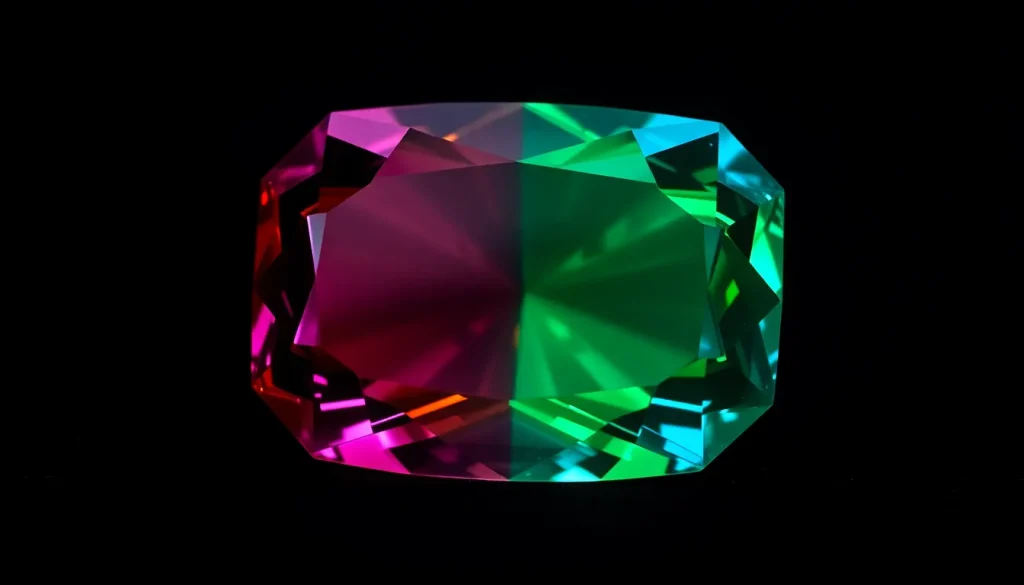
Alexandrite is a remarkable variety of the mineral chrysoberyl (chemical formula BeAl₂O₄) that exhibits a dramatic color change. In daylight or fluorescent lighting the stone appears green to bluish‑green, while under incandescent or candlelight it shifts to a purplish‑red or raspberry hue. This change is caused by trace amounts of chromium and, to a lesser extent, iron within the crystal lattice.
With a Mohs hardness of 8.5, a high refractive index (1.746–1.755), and an adamantine luster, alexandrite is both durable and optically striking, making it a favored choice for rings, earrings, and high‑value pendants.
History and Origin
Alexandrite was first discovered in the Ural Mountains of Russia in 1834 and was named in honor of Tsar Alexander II, who was then the heir to the throne. The original Russian material displayed a vivid color change, and for many decades it was considered one of the world’s most exclusive gemstones.
By the early 20th century, significant deposits were identified in Brazil, Sri Lanka, Tanzania, Madagascar, and Kenya, expanding the supply and introducing a broader range of color‑change intensities. Synthetic alexandrite, produced by the Verneuil flame‑fusion method, has been commercially available since the 1940s, offering a more affordable alternative for jewelry.
Meaning and Symbolism
Traditional lore associates alexandrite with balance, adaptability, and emotional renewal. Its ability to change color is seen as a symbol of inner transformation and the capacity to see situations from multiple perspectives. It is often given as a gift to mark significant life changes, such as a new career, marriage, or personal growth.
Because of its rarity and unique optical effect, alexandrite is also linked to good fortune, luck, and the encouragement of creativity.
Healing and Metaphysical Properties
In crystal‑healing traditions, alexandrite is believed to support the heart and third‑eye chakras, fostering emotional balance, intuition, and clear perception. Practitioners claim it can help release old emotional patterns, promote self‑confidence, and aid in decision‑making. These attributes are considered spiritual benefits and are not medical advice.
Varieties and Types
- Natural Alexandrite – Unenhanced stone from the earth, valued for its genuine color change.
- Synthetic Alexandrite – Lab‑grown crystal with identical chemical composition and optical properties, typically less expensive.
- Alexandrite Cat’s Eye (Aster) – Exhibits a strong chatoyancy (cat‑eye effect) in addition to or instead of color change.
- High‑Color‑Change Alexandrite – Specimens that display a vivid, unmistakable shift between green and red, often commanding premium prices.
- Treated Alexandrite – Heat‑treated or irradiated stones designed to enhance or induce color change; disclosure is required for ethical sales.
Jewelry Uses and Care
Because of its hardness (8.5) and relatively good toughness, alexandrite is suitable for most types of jewelry, including rings, bracelets, pendants, and earrings. When set in protective settings (e.g., bezel or prong), it resists scratching and chipping.
Cleaning: Use warm, soapy water and a soft brush. Rinse thoroughly and pat dry with a lint‑free cloth. Avoid ultrasonic cleaners and harsh chemicals, especially on treated stones.
Storage: Keep alexandrite pieces separate from softer gems (e.g., pearls, opal) and store in a padded compartment or a soft‑lined jewelry box.
Buying Guide
- Color Change Quality – Examine the stone under both daylight (or a daylight‑balanced lamp) and incandescent light. The most valuable stones show a clear, vivid shift from green‑blue to red‑purple.
- Clarity – Inclusions are common but should not obscure the color change. Look for stones with minimal visible blemishes.
- Cut and Proportion – Well‑cut stones maximize light performance and enhance the color‑change effect.
- Treatment Disclosure – Ask for a grading report from a reputable laboratory (GIA, IGI, or AGL). Natural, untreated alexandrite commands a premium over treated or synthetic stones.
- Certification – A gem‑ological certificate provides confidence in origin, treatment status, and authenticity.
When purchasing, compare multiple sources, verify return policies, and consider the long‑term value of a high‑color‑change, untreated stone.
FAQ
What is alexandrite good for?
Alexandrite is prized for its striking color‑change effect, making it a popular gemstone in fine jewelry. Traditionally, it is believed to promote emotional balance, adaptability, and intuition, though these are spiritual beliefs, not medical facts.
Is alexandrite rare?
High‑quality natural alexandrite with strong color change is rare, especially from historic Russian sources. Lesser‑color‑change material from Brazil, Sri Lanka, or Tanzania is more common. Synthetic and treated stones are widely available, affecting overall rarity.
How can you tell if alexandrite is real?
Examine the stone under both daylight (or a daylight lamp) and incandescent light; a genuine alexandrite will show a clear shift from green‑blue to red‑purple. Look for a high refractive index and lack of excessive inclusions. Professional gem‑ological testing and a certification report confirm authenticity.
What chakra is alexandrite associated with?
In crystal‑healing traditions alexandrite is linked to the Heart (Anahata) and Third Eye (Ajna) chakras, supporting emotional balance and intuitive insight. These associations are symbolic and not scientifically validated.
How should you clean alexandrite?
Clean alexandrite with warm, mildly soapy water and a soft brush. Rinse and pat dry with a lint‑free cloth. Avoid ultrasonic cleaners, harsh chemicals, or high‑temperature steam, especially on treated or synthetic stones.
Leave a Reply