
Short Answer
Overview
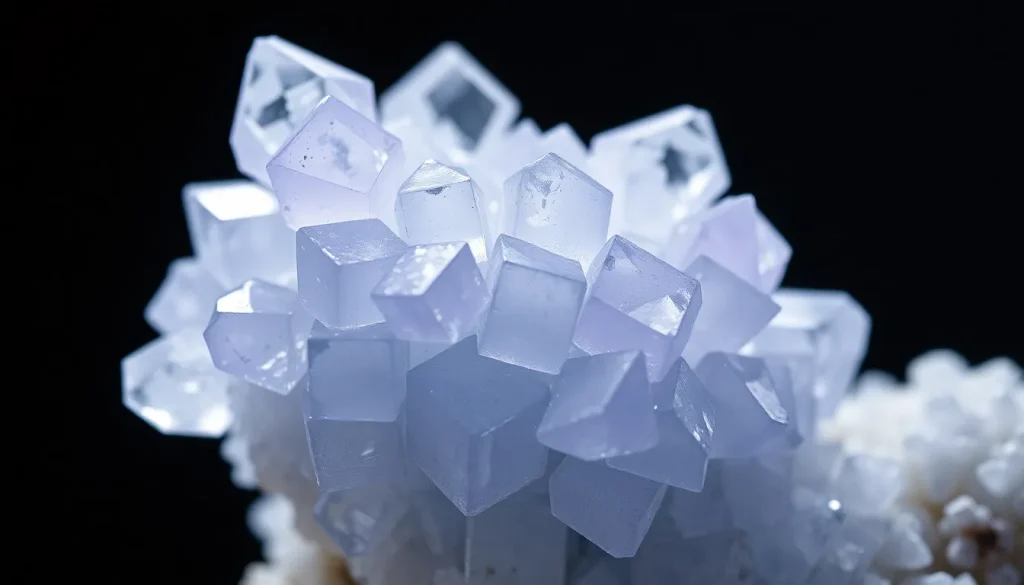
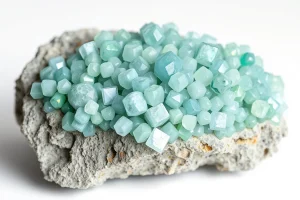
Canasite is a relatively uncommon mineral belonging to the silicate family. It typically forms transparent to translucent crystals with a vitreous luster and a distinctive pale blue, violet, or sometimes colourless appearance. The stone is prized by mineral collectors and, on occasion, used in bespoke jewelry because of its unique hue and moderate hardness.
History and Origin
The name “Canasite” originates from its type locality in the Canastota region of Quebec, Canada, where the mineral was first described in the mid‑20th century. Subsequent occurrences have been reported from a handful of scattered localities, including Norway, Malawi, and a few other Canadian provinces. Because the mineral forms in low‑temperature hydrothermal veins, it is often found in association with other sodium‑calcium silicates and halide minerals.
Meaning and Symbolism
In gemstone folklore, the gentle blue‑violet tones of canasite are associated with calm communication and inner clarity. It is said to encourage honest expression and to help the wearer articulate thoughts with confidence. The stone’s subtle colour also links it to intuition, making it a symbolic aid for those seeking to deepen their inner insight.
Healing and Metaphysical Properties
Traditional crystal‑healing practitioners attribute canasite with the following properties, though these claims are not scientifically verified:
- Emotional Balance: Believed to soothe anxiety and promote emotional steadiness.
- Communication: Said to open the throat chakra, assisting clear speech and active listening.
- Intuition: Thought to enhance psychic perception and support meditation.
Practitioners often place canasite on the throat area during meditation or wear it as a pendant to keep its purported energy close.
Varieties and Types
Canasite does not have widely recognized commercial varieties, but specimens can differ in colour intensity and clarity. Some crystals exhibit a nearly colourless, glass‑like appearance, while others display a more pronounced blue‑violet hue due to trace amounts of iron or manganese. The mineral may also occur in fibrous aggregates that are sometimes cut as cabochons.
Jewelry Uses and Care
Because of its moderate hardness (approximately 5.5 on the Mohs scale) and perfect cleavage in one direction, canasite is best suited for earrings, pendants, and brooches where it is less likely to suffer impact. It should be set in protective settings such as bezel or channel mounts to reduce the risk of chipping.
Cleaning: Gently wash with warm, soapy water and a soft brush. Avoid ultrasonic cleaners and harsh chemicals, as they can aggravate existing fractures. After cleaning, pat dry with a lint‑free cloth.
Storage: Store each piece separately in a padded compartment or a soft‑lined jewelry box to prevent scratching against harder gemstones.
Buying Guide
When purchasing canasite, consider the following factors:
- Colour Quality: Look for a uniform, saturated blue‑violet colour without cloudy inclusions.
- Clarity: Transparent stones with minimal internal fractures are more desirable for jewelry.
- Cut and Setting: Because of its cleavage, a protective setting is essential; avoid overly deep facets that may expose vulnerable planes.
- Origin Documentation: Reputable dealers will provide provenance, especially since the stone is sourced from limited localities.
- Treatment Disclosure: Some specimens may be heat‑treated to enhance colour; ensure any treatment is disclosed.
Engage a certified gemologist for a professional appraisal if you intend to invest significantly in canasite jewellery.
FAQ
What is Canasite good for?
Canasite is valued by collectors for its rare blue‑violet colour and crystal form. In jewelry, it provides a distinctive hue for pendants and earrings. Traditionally, it is believed to aid clear communication and emotional balance, though these are not medical claims.
Is Canasite rare?
Canasite is considered uncommon because it occurs only in a few geographically limited hydrothermal veins. High‑quality, transparent stones suitable for jewelry are particularly scarce, making them more valuable than more abundant silicates.
How can you tell if Canasite is real?
Authentic canasite displays a consistent pale blue‑violet colour, a vitreous luster, and a Mohs hardness around 5.5. A professional gemologist can confirm identity using refractive index measurements, specific gravity testing, and, if needed, X‑ray diffraction.
What chakra is Canasite associated with?
In crystal‑healing traditions, canasite is linked to the Throat (Vishuddhi) chakra, where it is said to support honest expression and clear communication.
How should you clean Canasite?
Clean canasite gently with warm, soapy water and a soft brush. Rinse thoroughly, pat dry with a lint‑free cloth, and avoid ultrasonic cleaners, steam, or harsh chemicals that could damage its cleavage planes.
Leave a Reply