
Short Answer
Overview
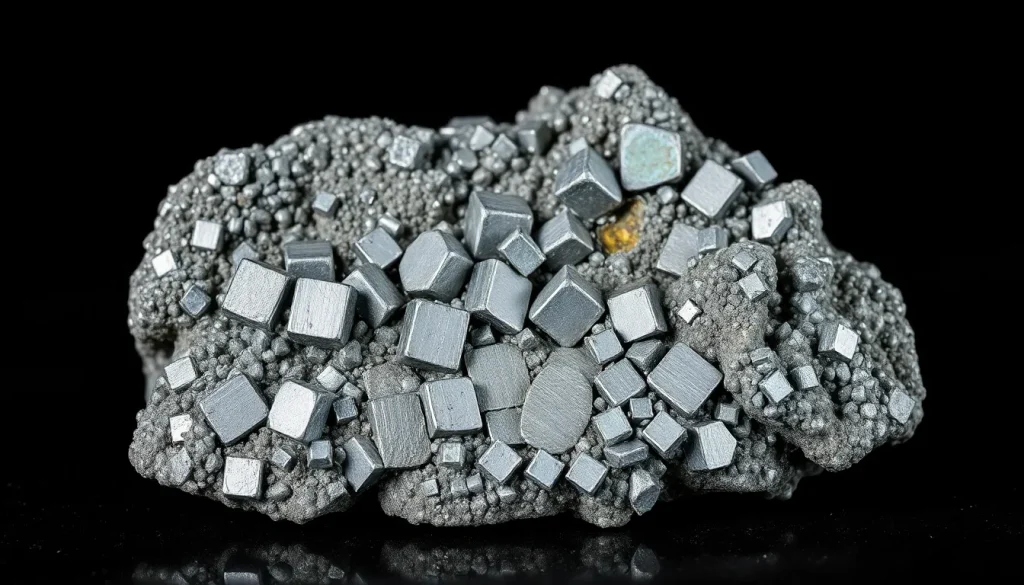
Breithauptite is a metallic mineral composed of nickel and antimony (NiSb). It crystallizes in the hexagonal system and typically appears as steel‑gray to silver‑white masses with a bright metallic luster. The mineral is opaque, has a high specific gravity, and is relatively soft, rating between 3.5 and 4 on the Mohs scale. While it is not a conventional gemstone, occasional cabochons are cut for niche jewelry and collector pieces.
History and Origin
The mineral was first described in 1863 by the German mineralogist Wilhelm Karl Ritter von Breithaupt, after whom it is named. Original type localities include the Sudbury Basin in Ontario, Canada, where breithauptite occurs in nickel‑rich sulfide deposits. Subsequent discoveries have been reported from hydrothermal veins and magmatic nickel ore bodies in the United States (Idaho), Russia (Siberia), Sweden, Finland, and Germany. The mineral forms under moderate temperature conditions (300‑500 °C) in reducing environments where nickel and antimony coexist.
Meaning and Symbolism
In traditional gemstone lore, breithauptite’s deep metallic sheen is associated with strength, resilience, and grounding. Its dense, heavy nature is thought to symbolize stability and the ability to “anchor” one’s intentions. Collectors often view it as a reminder of the earth’s hidden wealth and the transformative power of pressure and heat.
Healing and Metaphysical Properties
Crystal‑healing practitioners attribute breithauptite with grounding qualities, believing it can help balance the Root Chakra and promote a sense of security. It is said to assist in releasing emotional “weight” and encouraging practical decision‑making. These claims are based on folklore and are not supported by scientific evidence; they should not replace professional medical advice.
Varieties and Types
Breithauptite does not have widely recognized varieties. However, specimens may exhibit surface tarnish that produces iridescent hues of blues, greens, or purples when exposed to air. Such tarnish is a surface oxidation and does not constitute a separate mineral species.
Jewelry Uses and Care
Because of its relatively low hardness and metallic nature, breithauptite is used sparingly in jewelry, typically as a cabochon set in protective settings (e.g., bezel or protected pendant). When wearing breithauptite pieces, avoid harsh chemicals, ultrasonic cleaners, and prolonged exposure to moisture, as the mineral can tarnish or develop surface oxidation. Cleaning should be done with a soft, lint‑free cloth and mild soapy water, followed by thorough drying. Store the stone separately from softer gems to prevent scratching.
Buying Guide
When purchasing breithauptite, consider the following factors:
- Source and authenticity: Request documentation or a gemological report confirming the mineral’s identity (NiSb) and provenance.
- Condition: Look for specimens with minimal surface tarnish unless the iridescent patina is desired.
- Cut and setting: Ensure the stone is set in a way that protects its surface, especially if the piece will be worn regularly.
- Price range: Breithauptite is a niche collector’s mineral; prices vary widely based on size, clarity, and rarity of the locality.
n
Because the market for breithauptite is limited, buying from reputable mineral dealers or specialized gem shows is recommended. Always request a return policy and, if possible, have the stone examined by a certified gemologist before finalizing the purchase.
FAQ
What is breithauptite good for?
Breithauptite is prized by collectors for its rarity and metallic appearance. Traditionally, it is believed to provide grounding energy, but it has no proven therapeutic benefits.
Is breithauptite rare?
Yes, high‑quality breithauptite is relatively rare. It occurs only in specific nickel‑rich ore deposits, and well‑preserved, untarnished specimens are less common.
How can you tell if breithauptite is real?
Authentic breithauptite feels heavy for its size, shows a metallic luster, and has a black streak. Professional verification via X‑ray diffraction or a certified gemologist is recommended for certainty.
What chakra is breithauptite associated with?
In crystal‑healing traditions, breithauptite is linked to the Root Chakra, supporting grounding and stability.
How should you clean breithauptite?
Clean breithauptite gently with a soft cloth and mild soapy water, avoid ultrasonic cleaners, and store it separately from softer gems to prevent scratches.
Leave a Reply