
Short Answer
Overview
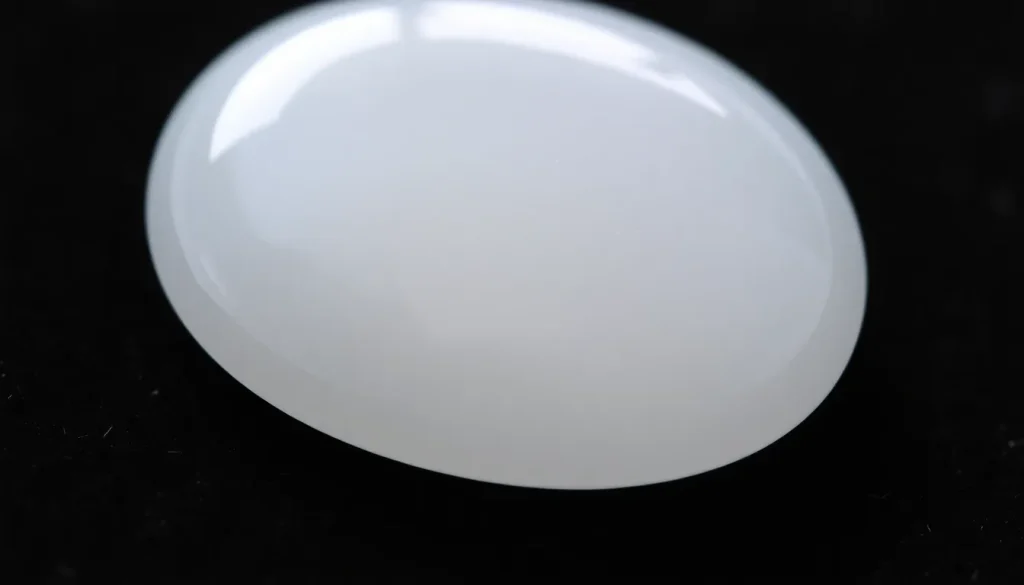
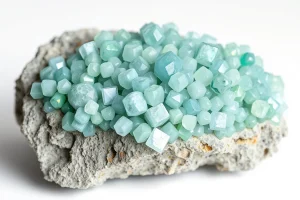
Leucite is a potassium‑aluminum silicate mineral (KAlSi2O6) belonging to the feldspathoid group. It forms tetragonal crystals that are often white, colourless, or pale gray. When cut as a cabochon, Leucite is used in rings, pendants, and beads, valued for its vitreous luster and subtle sparkle.
History and Origin
The name “leucite” derives from the Greek word leukos, meaning “white,” reflecting the stone’s typical hue. Historically, Leucite was first described in the early 19th century from deposits near Lecce, Italy. Notable localities include the Ural Mountains (Russia), the Kola Peninsula, Japan’s Hokkaido region, and several sites in the United States such as California and Colorado. While not a traditional gemstone in ancient cultures, its attractive crystal forms have attracted collectors since the Victorian era.
Meaning and Symbolism
In contemporary crystal‑healing circles, Leucite is associated with clarity of thought, personal empowerment, and the ability to manifest intentions. It is said to encourage confidence, aid decision‑making, and support the pursuit of creative goals. These meanings are rooted in the stone’s bright, reflective appearance rather than any scientifically proven effect.
Healing and Metaphysical Properties
Traditional beliefs attribute the following metaphysical qualities to Leucite:
- Emotional balance: Helps release fear and promotes optimism.
- Mental focus: Enhances concentration and supports clear communication.
- Energy work: Used in meditation to strengthen the aura and aid in spiritual grounding.
These claims are part of crystal‑healing folklore and should not replace professional medical advice.
Varieties and Types
Leucite occurs in several forms, most of which are not distinctly named but differ in colour and crystal habit:
- Colourless/White Leucite: The most common variety, prized for its translucency.
- Pale Pink Leucite: Rare, resulting from trace iron or manganese.
- Gray‑ish Leucite: Often displays subtle inclusions that add character.
All varieties share the same chemical composition; colour variations are due to trace impurities.
Jewelry Uses and Care
Leucite’s Mohs hardness of 5.5–6 makes it suitable for earrings, pendants, and occasional‑wear rings. Because it lacks true cleavage, it can withstand gentle impacts, but care is still required:
- Cleaning: Use warm, soapy water and a soft brush. Avoid ultrasonic cleaners, which may affect surface polish.
- Storage: Keep separated from harder stones such as quartz or sapphire to prevent scratching.
- Heat sensitivity: Leucite is stable at typical jewelry temperatures but should not be exposed to sudden extreme heat.
Buying Guide
When purchasing Leucite, consider the following criteria:
- Clarity and colour: Look for a uniform, translucent appearance with minimal cloudiness.
- Cut quality: Well‑polished cabochons reveal the stone’s natural luster.
- Origin documentation: Reputable dealers will provide locality information and, if possible, a gem‑identification report.
- Treatment disclosure: Leucite is rarely treated, but any heat or dyeing should be fully disclosed.
Because natural, high‑quality Leucite is relatively uncommon, prices can vary widely. Compare multiple sources and request return policies before finalizing a purchase.
FAQ
What is Leucite good for?
Leucite is valued in jewelry for its bright luster and moderate hardness, making it suitable for earrings, pendants, and occasional‑wear rings. In crystal‑healing traditions, it is believed to promote mental clarity, confidence, and emotional balance, though these claims are not medically verified.
Is Leucite rare?
High‑quality, clear Leucite specimens are relatively uncommon because the mineral forms in limited alkaline igneous deposits. Rarity depends on locality, color, and the presence of inclusions; treated or low‑grade material is more widely available.
How can you tell if Leucite is real?
Authentic Leucite exhibits a vitreous luster, a Mohs hardness of 5.5–6, and a white streak. It lacks true cleavage and shows conchoidal fracture when broken. For certainty, have the stone examined by a certified gemologist who can perform refractive index and specific gravity tests.
What chakra is Leucite associated with?
Traditional crystal‑healing sources sometimes link Leucite to the Root chakra for grounding, but there is no single universally accepted chakra association.
How should you clean Leucite?
Clean Leucite with warm, mildly soapy water and a soft brush. Rinse thoroughly and pat dry with a lint‑free cloth. Avoid ultrasonic cleaners and harsh chemicals, and store it separately from harder gemstones to prevent scratches.
Leave a Reply