
Short Answer
Overview
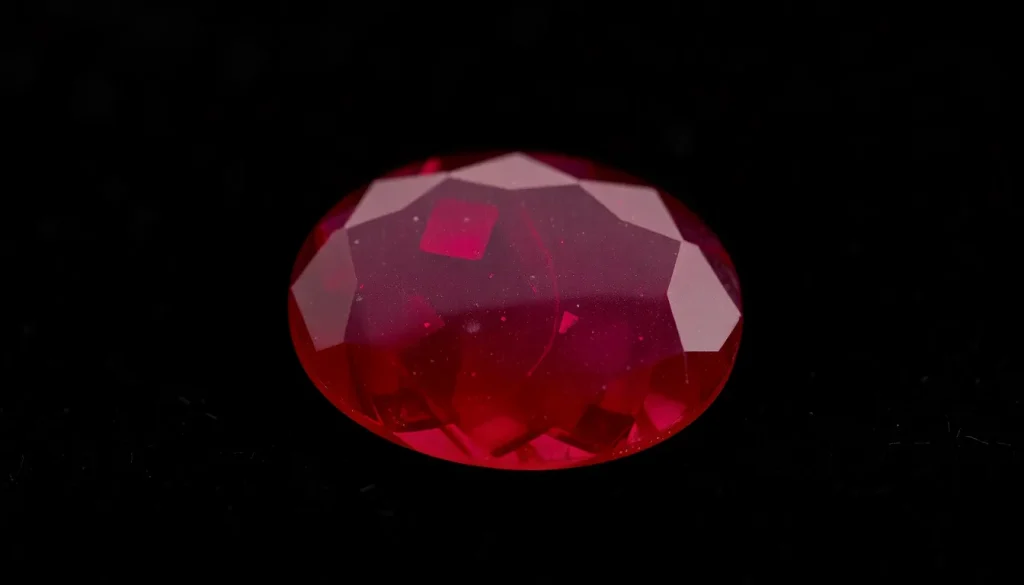
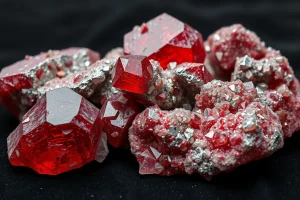
Pyrope‑spessartine refers to the solid‑solution series between the two end‑member garnets pyrope (Mg3Al2(SiO4)3) and spessartine (Mn3Al2(SiO4)3). The series produces a spectrum of red to orange‑red colors, often described as raspberry, garnet‑red, or purplish‑red. Because garnet is a nesosilicate with a cubic crystal structure, pyrope‑spessartine crystals are typically dodecahedral or trapezohedral and are valued for their high hardness and brilliance.
History and Origin
The garnet group has been known since antiquity, used as beads and amulets in early civilizations. The specific pyrope‑spessartine series was first described by mineralogists in the 19th century when chemical analyses revealed the continuous substitution of magnesium, iron, and manganese within the garnet lattice. Historically, deep‑red pyrope from the Ural Mountains and orange‑red spessartine from the Tanzanian Merelani mines were traded along the Silk Road. Modern gem markets source pyrope‑spessartine from a range of locations, including South Africa, Madagascar, and the United States (Arizona).
Meaning and Symbolism
Within traditional gemstone lore, pyrope‑spessartine is associated with passion, vitality, and emotional balance. The intense red hues are said to symbolize love and courage, while the orange component is linked to creativity and enthusiasm. In many cultures the stone is considered a protective talisman, believed to shield the wearer from negative energy and to promote confidence in personal goals.
Healing and Metaphysical Properties
Crystal‑healing practitioners describe pyrope‑spessartine as a grounding stone that supports the Root Chakra, helping individuals feel more secure and stable. It is also thought to stimulate the Sacral Chakra, encouraging creative expression and emotional openness. Traditional beliefs attribute the stone with the ability to revitalize the blood, boost circulation, and aid in recovery after physical exertion. These claims are not medically verified and should not replace professional health advice.
Varieties and Types
The pyrope‑spessartine series encompasses a range of intermediate compositions, each with subtle color variations:
- Pyrope‑rich: Dominated by magnesium, producing deep, blood‑red tones.
- Spessartine‑rich: Higher manganese content, yielding orange‑red to cinnamon hues.
- Intermediate: Balanced Mg‑Fe‑Mn proportions, often showing a raspberry or purplish‑red color.
Natural stones are typically untreated, though some may undergo heat treatment to enhance color saturation. Synthetic or lab‑grown garnets of the same composition exist but are usually identified by their growth patterns and lack of natural inclusions.
Jewelry Uses and Care
Because garnet ranks 7–7.5 on the Mohs scale, pyrope‑spessartine is suitable for most jewelry applications, including rings, earrings, pendants, and watch settings. Its good cleavage resistance and vitreous luster make it easy to cut into classic shapes such as round, cushion, and oval.
Care recommendations:
- Clean with warm, soapy water and a soft brush; avoid harsh chemicals.
- Use a soft, lint‑free cloth for polishing; ultrasonic cleaners are acceptable if the stone is not heat‑treated.
- Store separately from softer gems (e.g., pearls, amber) to prevent scratching.
- Avoid prolonged exposure to high heat, which could affect any heat‑treated stones.
Buying Guide
When purchasing pyrope‑spessartine, consider the following factors:
- Color intensity: Deep, even coloration without brownish overtones is most prized.
- Clarity: Inclusions are common; however, large clouds or fractures that affect brilliance should be avoided.
- Cut: Well‑proportioned cuts maximize the stone’s natural fire.
- Treatment disclosure: Reputable dealers will disclose any heat or irradiation treatments.
- Certification: For high‑value pieces, request a Gemological Institute of America (GIA) or equivalent grading report.
Price varies widely based on color saturation, carat weight, and origin. Generally, fine-quality pyrope‑spessartine commands higher prices than common red garnets due to its vivid hue and rarity in larger sizes.
FAQ
What is pyrope‑spessartine good for?
Practically, it is a durable gemstone used in rings, earrings, and other jewelry. Traditionally, it is believed to promote passion, grounding, and emotional balance, though these are not medically proven.
Is pyrope‑spessartine rare?
High‑quality, vividly colored pyrope‑spessartine in large carats is relatively rare, especially from untreated sources. More common, lighter‑colored or heavily included stones are abundant.
How can you tell if pyrope‑spessartine is real?
A genuine stone will have a refractive index of 1.735–1.770, a hardness of 7–7.5, and no plastic feel. Look for natural inclusions and a lack of fluorescence. For certainty, have it examined by a certified gemologist.
What chakra is pyrope‑spessartine associated with?
In crystal‑healing traditions, pyrope‑spessartine is most commonly linked to the Root Chakra, with secondary associations to the Sacral Chakra.
How should you clean pyrope‑spessartine?
Clean with warm soapy water and a soft brush, rinse, and dry with a lint‑free cloth. Avoid harsh chemicals and prolonged heat; ultrasonic cleaners are safe if the stone has not been heat‑treated.
Leave a Reply