
Short Answer
Overview
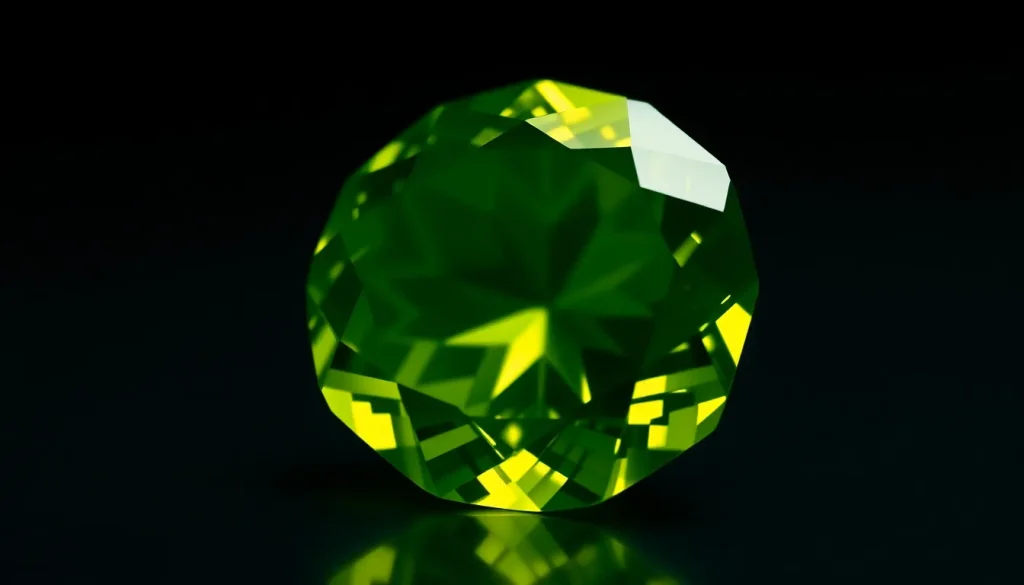
Olivine is a magnesium‑iron silicate mineral that forms a solid solution series between the end‑members forsterite (Mg2SiO4) and fayalite (Fe2SiO4). When transparent and of gem‑quality, it is called peridot. Olivine crystallizes in the orthorhombic system and is typically found in mafic and ultramafic igneous rocks, as well as in meteorites.
History and Origin
The name “peridot” derives from the Arabic word faridat, meaning “gem”. Ancient Egyptians mined peridot on the Red Sea island of Zabargad (St. John’s Island) as early as 1500 BCE, using it for amulets and royal jewelry. Throughout history, peridot has appeared in the crown jewels of Europe and was a favorite stone of the Roman Empire. Modern commercial production began in the early 20th century with large deposits discovered in the United States (Arizona, California) and the Philippines.
Meaning and Symbolism
Traditional belief systems associate peridot with renewal, prosperity, and protection against negativity. Its vivid green hue is linked to growth, abundance, and the heart’s emotional balance. In many cultures, peridot is thought to attract good fortune and strengthen relationships.
Healing and Metaphysical Properties
Crystal‑healing practitioners claim that peridot promotes emotional healing, encourages optimism, and supports the release of old patterns. It is said to stimulate the heart chakra, enhance confidence, and aid in overcoming anxiety. These attributes are considered spiritual or symbolic and are not medical advice.
Varieties and Types
- Peridot (gem‑quality): Transparent to translucent, vivid olive‑green, often with a yellowish tint.
- Forsterite: Magnesium‑rich variety, typically lighter in color, more common in mantle xenoliths.
- Fayalite: Iron‑rich end‑member, darker brown‑green, usually not used as a gemstone.
- Olivine in meteorites: Known as “pallasite” olivine, displaying striking crystal clusters within iron‑nickel matrix.
Jewelry Uses and Care
Peridot’s hardness of 6.5–7 on the Mohs scale makes it suitable for many jewelry settings, though it can be prone to scratching if worn with harder stones. Its relatively high refractive index (1.63–1.70) gives a bright, lively sparkle. Peridot is often cut into oval, cushion, or emerald shapes for rings, pendants, and earrings.
Care instructions:
- Avoid prolonged exposure to strong heat or direct sunlight, which can cause color fading.
- Clean with warm, soapy water and a soft brush; avoid ultrasonic cleaners if the stone has surface treatments.
- Store separately from diamonds, sapphires, or other hard gemstones to prevent scratches.
Buying Guide
When selecting peridot, consider the following factors:
- Color intensity: Deep, even olive‑green with a hint of yellow is most valued.
- Clarity: Inclusions are common; a clean stone without visible cloudiness is preferred.
- Cut: Well‑proportioned cuts maximize brilliance.
- Origin: Stones from the United States, Pakistan, and Egypt are often highlighted for quality.
- Treatment: Most peridot is untreated; if heat‑treated, it should be disclosed.
For assurance, request a reputable gemological laboratory report (e.g., GIA, IGI) that confirms identity, treatments, and any enhancements.
FAQ
What is olivine good for?
Olivine is valued for its bright green color in jewelry, especially as peridot. Traditionally it is believed to promote renewal, prosperity, and emotional balance, though these are spiritual concepts, not medical facts.
Is olivine rare?
High‑quality peridot is less common than many semi‑precious stones, but olivine itself is abundant in the Earth's mantle and in many igneous rocks. Rarity depends on color intensity, clarity, size, and whether the stone is untreated.
How can you tell if olivine is real?
Authentic peridot shows a uniform olive‑green hue, a vitreous luster, and a hardness of 6.5–7. It should not display glassy bubbles or excessive inclusions. Professional testing (e.g., refractive index measurement, spectroscopy) confirms identity and any treatments.
What chakra is olivine associated with?
In crystal‑healing traditions, peridot is linked to the Heart (Anahata) chakra, supporting love, compassion, and emotional growth.
How should you clean olivine?
Clean peridot with warm, mildly soapy water and a soft brush. Rinse thoroughly and pat dry with a lint‑free cloth. Avoid ultrasonic cleaners and harsh chemicals, and store it separately from harder gemstones to prevent scratches.
Leave a Reply