
Short Answer
Overview
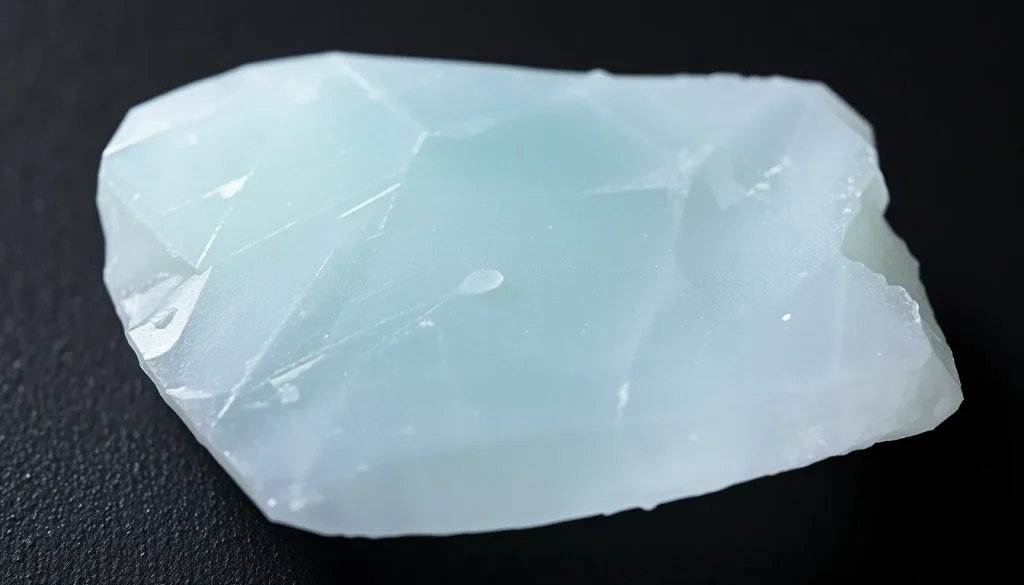
Phosphophyllite is a rare phosphate mineral composed of zinc, phosphate, and hydroxide (Zn₂(PO₄)(OH)). It is best known for its delicate, almost translucent pale‑green to bluish‑green color and its excellent perfect cleavage, which makes it both a collector’s treasure and a challenging gemstone for jewelry makers.
History and Origin
The name “phosphophyllite” derives from the Greek words phosphoros (light‑bearing) and phyllon (leaf), referring to its light‑green leaf‑like hue. It was first described in the early 19th century from specimens found in the Zinnwald region of Saxony, Germany. Later significant deposits were identified in the historic silver‑lead district of Jáchymov (formerly Joachimsthal) in the Czech Republic, as well as in Arkansas, USA, and a few localities in Namibia.
Meaning and Symbolism
In traditional gemstone lore, phosphophyllite is associated with serenity, emotional balance, and the nurturing qualities of the heart. Its soft green tone is said to promote inner peace, encourage honest communication, and assist in the release of old emotional patterns. Collectors value the stone not only for its rarity but also for the gentle, calming energy it is believed to emit.
Healing and Metaphysical Properties
Crystal‑healing practitioners attribute the following properties to phosphophyllite, describing them as beliefs rather than medical facts:
- Emotional Healing: Helps calm nervous tension, supports emotional resilience, and encourages forgiveness.
- Physical Support: Traditionally linked to the musculoskeletal system, especially the spine and joints.
- Spiritual Growth: Said to open the heart chakra, fostering love, compassion, and a deeper connection to nature.
These attributes are part of longstanding metaphysical traditions and should not replace professional health advice.
Varieties and Types
Phosphophyllite occurs primarily in two crystal habits:
- Tabular Crystals: Flat, leaf‑like plates that display the stone’s characteristic perfect cleavage.
- Prismatic Crystals: Less common, elongated forms that can exhibit a slightly deeper green hue.
Specimens may range from colorless to a faint bluish‑green, but the most valued stones display a uniform, pastel apple‑green coloration.
Jewelry Uses and Care
Because phosphophyllite’s hardness is only 3.5–4 on the Mohs scale and it possesses perfect cleavage, it is considered a delicate gemstone. When set in jewelry, it is typically used in:
- Protective bezel or channel settings that shield the stone from impact.
- Pieces that are worn occasionally, such as pendants, earrings, or brooches.
Cleaning and maintenance recommendations:
- Use a soft, lint‑free cloth to gently wipe away dust.
- Avoid ultrasonic cleaners, steam cleaning, or harsh chemicals.
- If the stone is untreated, a mild soap solution and a soft brush may be used, followed by thorough rinsing with distilled water.
- Store phosphophyllite separately from harder gemstones to prevent scratching.
Buying Guide
When purchasing phosphophyllite, consider the following factors:
- Color Uniformity: A consistent, pastel green without brown or gray zoning is most desirable.
- Clarity: Inclusions are common; however, large fractures or cloudiness reduce value.
- Cut and Setting: Well‑cut stones that protect the cleavage planes command higher prices.
- Origin: Specimens from historic European localities (Germany, Czech Republic) often carry a premium due to provenance.
- Certification: Request a gemological report from a recognized laboratory (e.g., GIA, IGI) to verify authenticity.
Because high‑quality phosphophyllite is scarce, prices can vary widely. Expect modestly sized stones (under 2 carats) to be the most readily available, while larger, flawless crystals may be priced at premium levels.
FAQ
What is phosphophyllite good for?
Phosphophyllite is valued for its delicate pastel‑green color in fine jewelry and as a collector’s mineral. Traditionally, it is believed to promote emotional balance, calmness, and heart‑centered communication, though these are spiritual concepts, not medical facts.
Is phosphophyllite rare?
High‑quality phosphophyllite is considered rare because large, clear crystals are scarce, and the mineral’s perfect cleavage makes it difficult to cut without damage. Specimens from historic European localities are especially prized, while smaller stones are more commonly found in the market.
How can you tell if phosphophyllite is real?
Authentic phosphophyllite displays a pale green to bluish‑green hue, perfect cleavage, and a specific gravity around 3.1–3.2. A gemologist can confirm its identity using refractive index measurements, X‑ray diffraction, or a professional mineral‑identification report.
What chakra is phosphophyllite associated with?
In crystal‑healing traditions, phosphophyllite is most often linked to the Heart (Anahata) chakra, where it is believed to encourage love, compassion, and emotional healing.
How should you clean phosphophyllite?
Clean phosphophyllite gently with a soft, lint‑free cloth. Avoid ultrasonic cleaners, steam, or harsh chemicals because the stone’s low hardness (3.5–4) and perfect cleavage make it vulnerable to scratching and breakage. Store it separately from harder gemstones.
Leave a Reply