
Short Answer
Overview
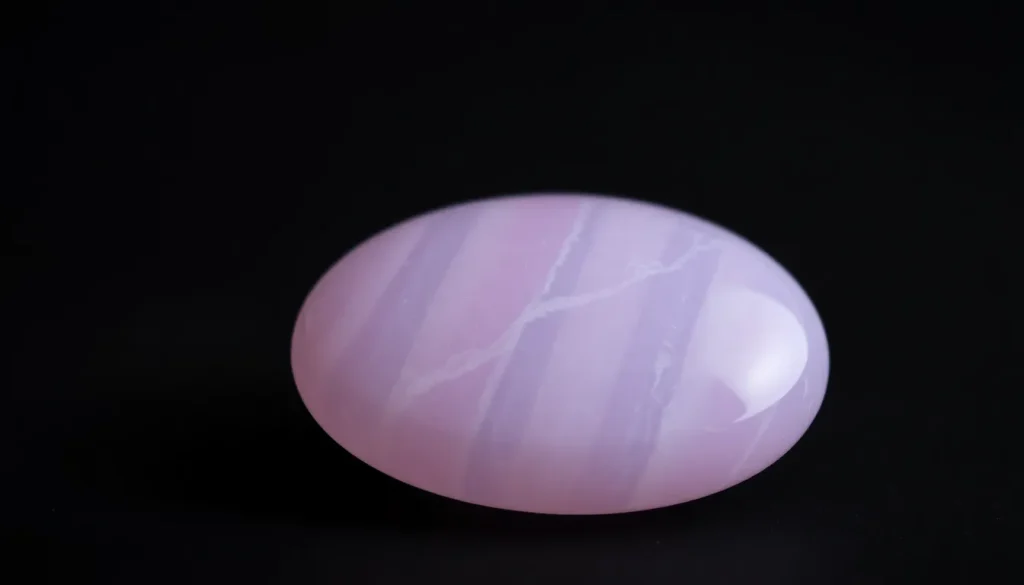
Stichtite is a hydrated magnesium‑chromium carbonate mineral belonging to the hydrotalcite group. It is best known for its vivid lavender to pink coloration, which results from trace chromium within its structure. The stone typically occurs in massive, granular aggregates and is most often fashioned into cabochons for ornamental use.
History and Origin
The name Stichtite honors Australian mineralogist Dr. Robert Sticht, who first described the mineral in 1915 from deposits near Barraba, New South Wales. Since its discovery, notable occurrences have been reported from a few localities worldwide, including the United States (California), Canada (British Columbia), and limited sites in Russia. Stichtite is most frequently associated with metamorphic serpentinite rocks, forming as a secondary mineral during low‑grade metamorphism.
Meaning and Symbolism
In traditional gemstone lore, Stichtite is linked to love, compassion, and emotional healing. Its gentle pink‑violet hues are said to encourage openness of the heart, fostering forgiveness and nurturing relationships. The stone is sometimes gifted to celebrate new beginnings in love or to support reconciliation.
Healing and Metaphysical Properties
Crystal‑healing practitioners attribute Stichtite with the following metaphysical qualities:
- Promotes emotional balance and heart‑centered compassion.
- Assists in releasing old emotional patterns that block love.
- Supports the throat and heart chakras, encouraging authentic self‑expression.
These claims are based on traditional belief systems and are not intended as medical advice.
Varieties and Types
Stichtite is essentially a single mineral species, but it may appear in several visual forms:
- Massive Stichtite – dense, often opaque aggregates with a uniform lavender hue.
- Cabochon‑Cut Stichtite – polished domes that reveal a translucent, glowing surface.
- Stichtite‑Infused Serpentine – veins of Stichtite within green serpentine, creating striking color contrasts.
Jewelry Uses and Care
Because of its relatively low hardness (3–3.5 on the Mohs scale), Stichtite is best suited for pendants, earrings, brooches, and other pieces that are less prone to abrasion. It should be set in protective settings, such as bezel or channel settings, to reduce the risk of scratches.
Care recommendations:
- Clean with a soft, lint‑free cloth; avoid ultrasonic cleaners.
- Use mild soap and lukewarm water for deeper cleaning, then dry thoroughly.
- Store separately from harder gemstones to prevent scratching.
- Avoid prolonged exposure to direct sunlight or high heat, which can affect color stability.
Buying Guide
When purchasing Stichtite, consider the following factors:
- Color intensity – Deep, uniform lavender or pink hues are most valued.
- Clarity – While the stone is often opaque, minimal inclusions that disrupt the surface polish can lower value.
- Cut quality – A well‑polished cabochon will display the stone’s characteristic sheen.
- Origin – Specimens from the classic Australian locality are generally regarded as more authentic.
- Treatment disclosure – Genuine Stichtite is untreated; any dye or enhancement should be clearly disclosed.
For assurance of authenticity, request a gemological report from a reputable laboratory and purchase from a trusted dealer.
FAQ
What is Stichtite good for?
Stichtite is valued for its decorative appeal in jewelry, especially as cabochons and ornamental pieces. In crystal‑healing circles, it is traditionally believed to support emotional balance, heart‑centered compassion, and relationship healing. These uses reflect cultural beliefs, not medical evidence.
Is Stichtite rare?
High‑quality Stichtite with vivid lavender color is relatively uncommon, as the mineral forms in limited localities and larger, clean masses are scarce. However, modest specimens are available from known deposits, making the stone semi‑rare rather than exceptionally rare.
How can you tell if Stichtite is real?
Real Stichtite feels soft (Mohs 3–3.5), shows a characteristic lavender‑pink hue, and has a pearly luster. It will leave a white streak on unglazed porcelain. Because its color can be mimicked by dyed stones, a professional gemological test or certification is recommended for certainty.
What chakra is Stichtite associated with?
In traditional crystal‑healing belief, Stichtite is linked to the Heart (Anahata) chakra, where it is thought to encourage love, forgiveness, and emotional openness.
How should you clean Stichtite?
Clean Stichtite with a soft, lint‑free cloth. For tougher grime, use mild soap and lukewarm water, then rinse and pat dry. Avoid ultrasonic cleaners, steam, or harsh chemicals, as the stone is soft and may be damaged by vibration or abrasive agents.
Leave a Reply