Short Answer
Overview
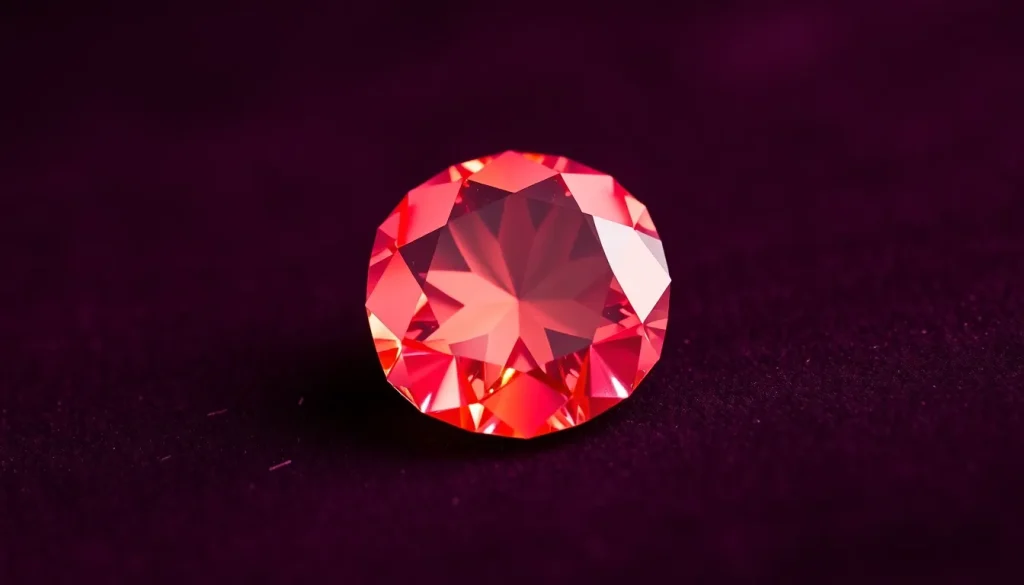
Sinhalite is a rare gemstone belonging to the borate mineral group. It is prized for its vivid salmon‑pink to orange hues, high refractive index, and a Mohs hardness of 6.5–7, which allows it to be cut into faceted gems suitable for rings, pendants, and earrings. The stone is named after its country of first discovery, Sri Lanka (formerly Ceylon), where it was originally identified in the early 20th century.
History and Origin
The first documented discovery of sinhalite occurred in the gem‑bearing gravels of Sri Lanka in 1952. Subsequent deposits were later located in Tanzania, Madagascar, Myanmar, Pakistan, and Afghanistan. The gemstone’s rarity and attractive color quickly attracted the attention of collectors and jewelers, though it has remained less well known than more common pink gems such as pink sapphire or ruby.
Meaning and Symbolism
Traditional gemstone lore attributes sinhalite with qualities of warmth, compassion, and inner strength. It is said to encourage emotional balance and to foster loving relationships. In contemporary gemstone meaning, sinhalite is often associated with the heart chakra, symbolizing the opening of the heart to give and receive love.
Healing and Metaphysical Properties
Within crystal‑healing circles, sinhalite is believed to support the circulatory system, aid in the release of emotional trauma, and promote a sense of calm confidence. Practitioners claim it can help harmonize the body’s energy field, especially the heart centre. These beliefs are traditional and not supported by medical science; sinhalite should not be used as a substitute for professional health care.
Varieties and Types
- Pink to salmon‑orange sinhalite – the most common and sought‑after colour range.
- Brownish‑orange sinhalite – rarer, often found in Tanzanian deposits.
- Greenish‑yellow sinhalite – extremely uncommon and valued by collectors.
All varieties share the same crystal structure and chemical composition, differing primarily in trace element content that influences colour.
Jewelry Uses and Care
Because of its hardness and brilliance, sinhalite is set in a variety of jewelry pieces, including solitaire rings, halo settings, earrings, and pendants. The stone’s cleavage is distinct in one direction, so care should be taken to avoid sharp impacts that could cause splitting.
Cleaning: Use a soft brush with warm, soapy water and rinse thoroughly. Avoid ultrasonic cleaners if the stone has any surface treatments.
Storage: Store individually in a padded pouch or compartment to prevent contact with harder gemstones that could scratch sinhalite.
Buying Guide
When purchasing sinhalite, consider the following factors:
- Colour intensity: Deep, saturated pink‑orange hues are most valuable.
- Clarity: Inclusions are common; a clean, eye‑clean stone commands a premium.
- Cut: Well‑proportioned cuts enhance brilliance; avoid shallow cuts that mask colour.
- Origin: Sri Lankan sinhalite is generally prized, though high‑quality stones from Madagascar and Tanzania are also reputable.
- Certification: Request a gem‑ological report from a recognised laboratory (e.g., GIA, IGI) to confirm authenticity and any treatments.
Because sinhalite is rarely treated, any stone advertised as “enhanced” should be examined closely. Reputable dealers will disclose any heat or fracture‑filling processes.
FAQ
What is sinhalite good for?
Sinhalite is valued for its attractive pink‑orange colour, hardness, and brilliance, making it suitable for fine jewelry. Traditionally, it is also believed to promote emotional balance and heart‑centered love, though these are spiritual concepts, not medical facts.
Is sinhalite rare?
High‑quality sinhalite is considered rare, especially stones with vivid colour, high clarity, and from classic localities like Sri Lanka. Lesser‑quality material is more common, but overall the gemstone is less abundant than many other pink gems.
How can you tell if sinhalite is real?
Real sinhalite displays a high refractive index (≈1.68), distinct cleavage, and a specific gravity around 3.5. Under magnification, natural inclusions appear. Professional testing with a gem‑lab report confirms authenticity and reveals any treatments.
What chakra is sinhalite associated with?
In crystal‑healing traditions, sinhalite is linked to the Heart (Anahata) chakra, where it is thought to open and balance emotional energies.
How should you clean sinhalite?
Clean sinhalite gently with warm, soapy water and a soft brush. Rinse thoroughly and pat dry with a lint‑free cloth. Avoid ultrasonic cleaners and harsh chemicals, especially if the stone has any surface treatment.
Leave a Reply