
Short Answer
Overview
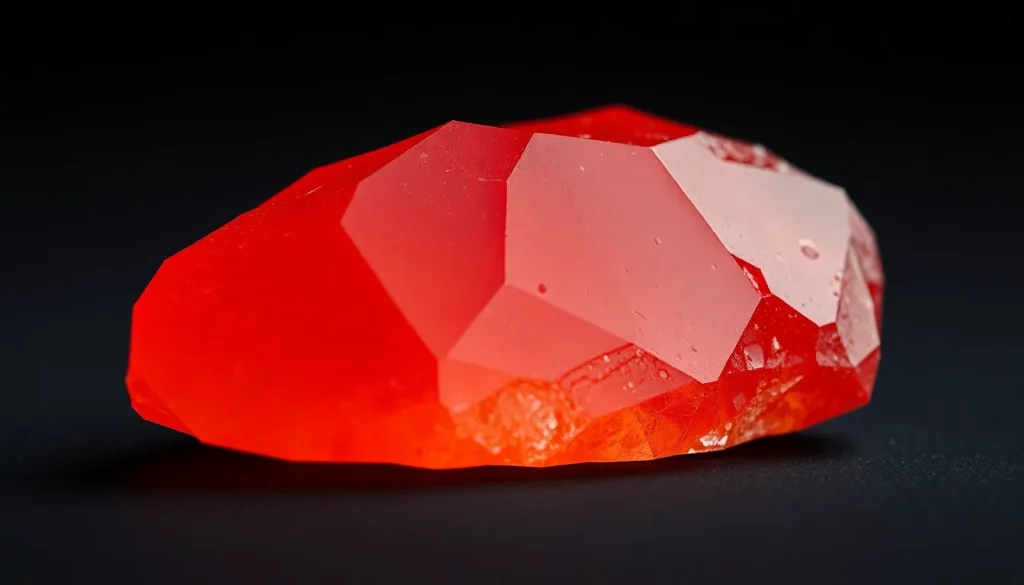
Zincite is the natural mineral form of zinc oxide (ZnO). It crystallises in the hexagonal (wurtzite) system and is best known for its vivid red to orange colours, though yellow, brown and rare greenish tones also occur. The intense hue is caused by trace impurities such as manganese, iron, or chromium. Natural zincite is a collector’s stone because gem‑quality crystals are uncommon, while synthetic zincite – often doped with chromium – is used as a low‑cost ruby simulant.
History and Origin
The first documented zincite specimens came from the famous zinc deposits of Franklin, New Jersey, USA, in the late 19th century. These crystals were initially prized by mineral collectors for their brilliant colour and fluorescence under ultraviolet light. Later, industrial chemists recognised ZnO’s semiconductor properties, leading to synthetic production for both industrial uses and as a gemstone simulant. Today, natural zincite is still sourced from a few localities, including Zambia, Namibia, and parts of China, but most market‑available stones are laboratory‑grown.
Meaning and Symbolism
In traditional gemstone lore, zincite’s fiery red is associated with vitality, courage, and personal power. It is said to ignite motivation, encourage decisive action, and inspire confidence in one’s path. Because of its bright appearance, zincite is sometimes linked to the energy of the sunrise and new beginnings.
Healing and Metaphysical Properties
Crystal‑healing practitioners attribute the following properties to zincite, based on longstanding belief systems rather than scientific evidence:
- Energy amplification: Enhances the wearer’s personal aura and helps focus intent.
- Emotional balance: Supports the release of suppressed anger and promotes emotional clarity.
- Physical support: Traditionally believed to aid the skin, eyes, and respiratory system when placed on the body, though it should never replace professional medical care.
Varieties and Types
Zincite occurs in several forms:
- Natural zincite: Rare, typically found in octahedral or pyramidal crystals with vivid red‑orange colours.
- Synthetic ruby simulant: Produced in labs by adding chromium to ZnO, creating a ruby‑like red that is less expensive than true ruby.
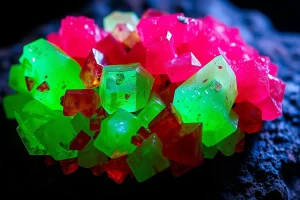
- Fluorescent zincite: Exhibits strong orange‑red fluorescence under short‑wave UV light, a feature prized by collectors.
Jewelry Uses and Care
Because zincite ranks 5.5–6 on the Mohs scale, it is suitable for earrings, pendants, and brooches where impact risk is low. Its adamantine luster makes it attractive in high‑contrast settings such as white gold or silver. Care recommendations include:
- Clean with warm soapy water and a soft brush; avoid ultrasonic cleaners.
- Store separately from harder gemstones to prevent scratching.
- Avoid prolonged exposure to strong acids or alkaline solutions, which can alter the surface.
Buying Guide
When purchasing zincite, consider the following factors:
- Origin: Natural specimens from Franklin or reputable African localities are more valuable than synthetic stones.
- Colour intensity: Deep, uniform red‑orange hues indicate higher quality.
- Clarity: Inclusions are common; eye‑clean stones command premium prices.
- Treatment disclosure: Ensure the seller specifies whether the stone is natural or lab‑grown, and whether any heat or dye treatments have been applied.
- Certification: Request a gemological report from a recognized lab (e.g., GIA, IGI) for larger pieces.
Because natural zincite is scarce, prices can vary widely. Synthetic ruby simulants are more affordable and often marketed simply as “zincite” in jewelry stores.
FAQ
What is zincite good for?
Zincite is prized for its striking red‑orange colour in jewelry and collectors’ pieces, and it is also used as a low‑cost ruby simulant. In crystal‑healing circles, it is believed to boost confidence and motivation, though these claims are not medically proven.
Is zincite rare?
High‑quality natural zincite is rare because large, clear crystals are uncommon. Synthetic zincite is widely available, making the stone accessible at lower price points.
How can you tell if zincite is real?
Real natural zincite typically shows uneven fluorescence under UV light and may have subtle inclusions. Synthetic versions often lack fluorescence and may be labeled as “ruby simulant.” Professional gemological testing (e.g., spectroscopy) confirms authenticity.
What chakra is zincite associated with?
Traditional crystal‑healing sources sometimes link zincite’s vibrant red hue to the Solar Plexus (Manipura) chakra, thought to enhance personal power.
How should you clean zincite?
Clean zincite with warm soapy water and a soft brush. Avoid ultrasonic cleaners, harsh chemicals, and prolonged exposure to acids. Store separately from harder stones to prevent scratches.
Leave a Reply