
Short Answer
Overview
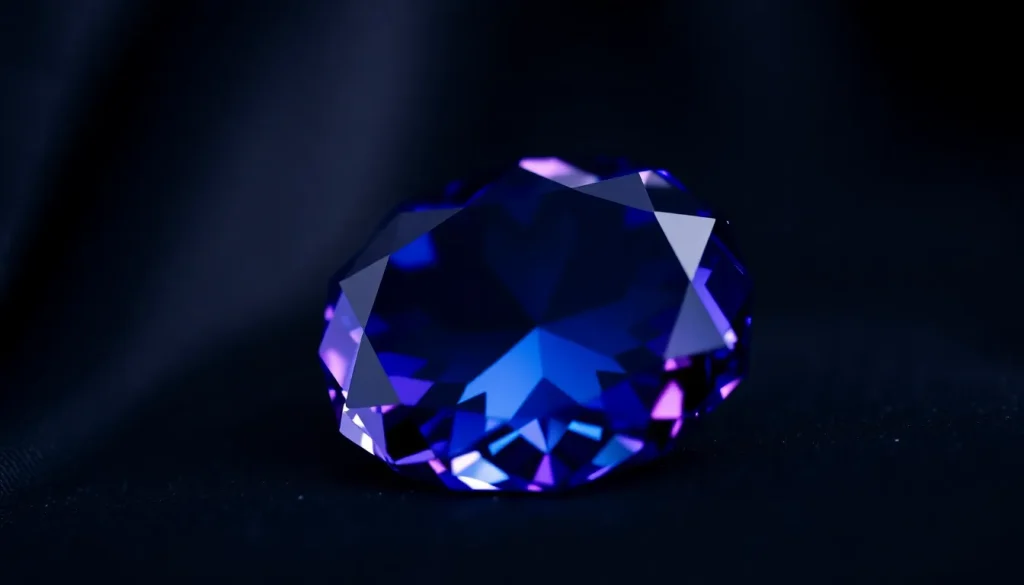
Iolite, also called violet sapphire or water sapphire, is the gemstone variety of the mineral cordierite. It belongs to the silicate class and is best known for its strong pleochroism – the ability to display different colors when viewed from different crystallographic directions. Typical colors range from deep blue through violet to a lighter, almost colorless hue, making it a popular choice for rings, pendants, and earrings.
History and Origin
The name “iolite” derives from the Greek word ion, meaning violet. The stone was first described in the early 19th century from deposits in Brazil, although cordierite itself was identified earlier as a mineral. Historically, iolite was used as a navigation aid in the 19th century because its pleochroic property helped sailors determine the direction of the sun when overcast. Major modern sources include Brazil, Sri Lanka, Madagascar, India, the United States (North Carolina), Tanzania, and Afghanistan.
Meaning and Symbolism
In traditional gem lore, iolite is associated with inner vision, intuition, and spiritual awareness. It is said to aid in seeing the truth behind illusion and to assist in meditation by enhancing the ability to focus on inner thoughts. The stone is sometimes linked to the myth of the “lost violet sapphire” of ancient royalty, symbolizing loyalty and steadfastness.
Healing and Metaphysical Properties
Crystal‑healing practitioners attribute the following properties to iolite, describing them as traditional beliefs rather than medical facts:
- Promotes mental clarity and helps alleviate confusion.
- Supports the Third Eye chakra, encouraging intuition and psychic insight.
- Assists in emotional balance, especially during periods of change.
- Believed to aid in the detoxification of the body’s lymphatic system.
These claims are part of longstanding cultural traditions and should not replace professional medical advice.
Varieties and Types
While all iolite is a variety of cordierite, subtle differences occur based on locality and iron‑magnesium content. Notable types include:
- Brazilian Iolite – Often exhibits the deepest, most saturated blues.
- Sri Lankan Iolite – Frequently shows a stronger violet hue with a noticeable greenish flash.
- Heat‑treated Iolite – Some stones are gently heated to enhance color saturation; treatment is generally stable.
Jewelry Uses and Care
Because of its hardness of 7 on the Mohs scale, iolite is suitable for many types of jewelry, though it should be set with care due to its perfect cleavage on the {010} plane. Recommended settings include bezel or prong settings that protect the stone’s edges.
Cleaning: Use warm, soapy water and a soft brush. Avoid ultrasonic cleaners for stones with visible fractures or those that have been heat‑treated.
Storage: Keep iolite separate from softer gemstones such as opal or turquoise to prevent scratching. A padded jewelry box or a fabric pouch works well.
Buying Guide
When purchasing iolite, consider the following factors:
- Color Depth: The most valuable stones display a vivid, uniform blue‑violet with clear pleochroic shift.
- Clarity: Inclusions are common but should not dominate the stone’s appearance.
- Cut: Well‑cut iolite maximizes the pleochroic effect; a cushion or oval cut is typical.
- Treatment Disclosure: Ask the seller if the stone has been heat‑treated; untreated stones are rarer.
- Certification: For high‑value pieces, request a gemological report from a reputable laboratory (e.g., GIA or IGI).
By focusing on these criteria, buyers can select a high‑quality iolite that offers both visual appeal and lasting durability.
FAQ
What is iolite good for?
Iolite is prized for its vivid blue‑violet color and strong pleochroism, making it popular in fine jewelry. Traditionally, it is also believed to enhance intuition and mental clarity.
Is iolite rare?
High‑quality, deep‑blue iolite is relatively uncommon, especially untreated stones from prime localities. However, lower‑grade material is more widely available, so rarity depends on color, clarity, and treatment.
How can you tell if iolite is real?
Real iolite shows distinct pleochroism, a hardness of 7, and a vitreous luster. A professional gemologist can confirm authenticity with refractive index measurements and spectroscopic analysis.
What chakra is iolite associated with?
In crystal‑healing traditions, iolite is linked to the Third Eye (Ajna) chakra, supporting intuition and inner vision.
How should you clean iolite?
Clean iolite with warm soapy water and a soft brush. Avoid ultrasonic cleaners if the stone has visible fractures or has been heat‑treated. Store it separately from softer gems.
Leave a Reply