
Short Answer
Overview
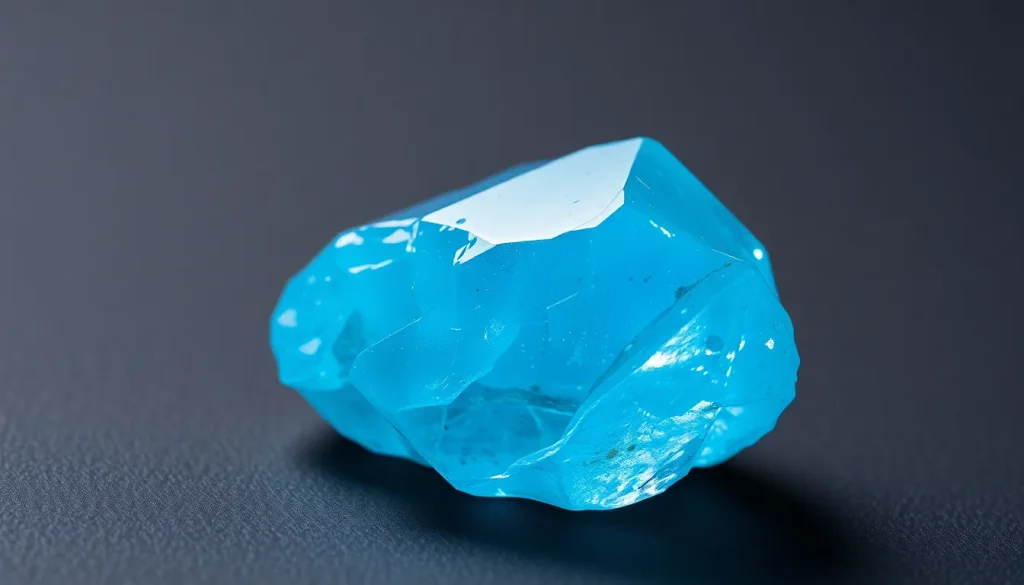
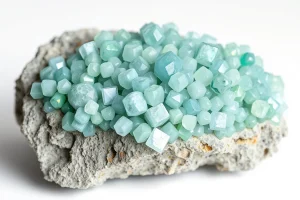
Ceruleite is a rare zeolite mineral characterized by a striking sky‑blue to azure color and a glass‑like (vitreous) luster. It forms in small, well‑defined crystals or as massive aggregates and is valued by collectors and specialty jewelers for its vivid hue and unique crystal framework.
History and Origin
The name “ceruleite” derives from the Latin word ceruleus, meaning “deep blue.” Specimens were first described in the early 20th century from volcanic host rocks where zeolitic alteration occurs. Because the mineral forms only in limited hydrothermal environments, documented localities are few, with notable occurrences reported from Japan, Italy, and the United States (Arizona).
Meaning and Symbolism
In traditional gemstone lore, ceruleite is associated with clear communication, calmness, and the expansive qualities of the sky. Its blue tone is said to symbolize truth, loyalty, and inner peace, making it a popular talisman for those seeking mental clarity.
Healing and Metaphysical Properties
Crystal‑healing practitioners attribute ceruleite with throat‑chakra activation, believing it can aid in expressing thoughts and emotions honestly. It is also linked to the third‑eye chakra for enhancing intuition and mental focus. These claims are part of spiritual traditions and are not medical advice.
Varieties and Types
While the basic mineral is a zeolite, ceruleite can appear in several tonal variations:
- Bright sky‑blue crystals with a high degree of transparency.
- Pale cyan or turquoise shades that are more translucent.
- Occasionally, deeper azure specimens that may display subtle internal clouding.
All varieties share a vitreous luster and a tendency to fracture conchoidally when broken.
Jewelry Uses and Care
Because ceruleite’s hardness ranges from 4 to 5 on the Mohs scale, it is best suited for pendants, earrings, and brooches rather than rings that endure heavy wear. Setting the stone in protective bezels or as a cabochon reduces the risk of chipping. Cleaning should be done with warm, soapy water and a soft brush; avoid ultrasonic cleaners and harsh chemicals which can damage the crystal lattice.
Buying Guide
When selecting ceruleite, consider the following factors:
- Color intensity: Deep, even blue tones are most desirable.
- Clarity: Look for stones with minimal inclusions that obscure the color.
- Cut: Cabochon or polished facet cuts showcase the stone’s luster best.
- Treatment disclosure: Verify whether the stone has been dyed or stabilized, as untreated material is rarer.
- Certification: Request a gemological report from a reputable laboratory for assurance of authenticity.
Because ceruleite is not widely mined, prices can vary considerably based on quality and provenance.
FAQ
What is Ceruleite good for?
Ceruleite is prized for its vivid blue color in specialty jewelry and as a collector’s stone. In crystal‑healing traditions it is believed to support clear communication and calm the mind, though these uses are not medically verified.
Is Ceruleite rare?
Yes, ceruleite is considered rare because it forms only in limited hydrothermal environments. High‑quality, untreated specimens with deep, even color are especially scarce, which can affect availability and price.
How can you tell if Ceruleite is real?
Authentic ceruleite displays a consistent sky‑blue hue, vitreous luster, and a hardness of 4–5. Look for natural crystal habits and avoid overly bright, uniformly saturated colors that may indicate dyeing. Professional gemological testing, such as refractive index measurement, provides certainty.
What chakra is Ceruleite associated with?
Traditional crystal‑healing sources associate ceruleite with the Throat Chakra (Vishuddhi), believing it enhances communication and self‑expression.
How should you clean Ceruleite?
Clean ceruleite with warm, mild soapy water and a soft brush. Rinse thoroughly and pat dry with a lint‑free cloth. Avoid ultrasonic cleaners, steam, or harsh chemicals, as they can damage the stone’s crystal structure.
Leave a Reply