
Short Answer
Overview
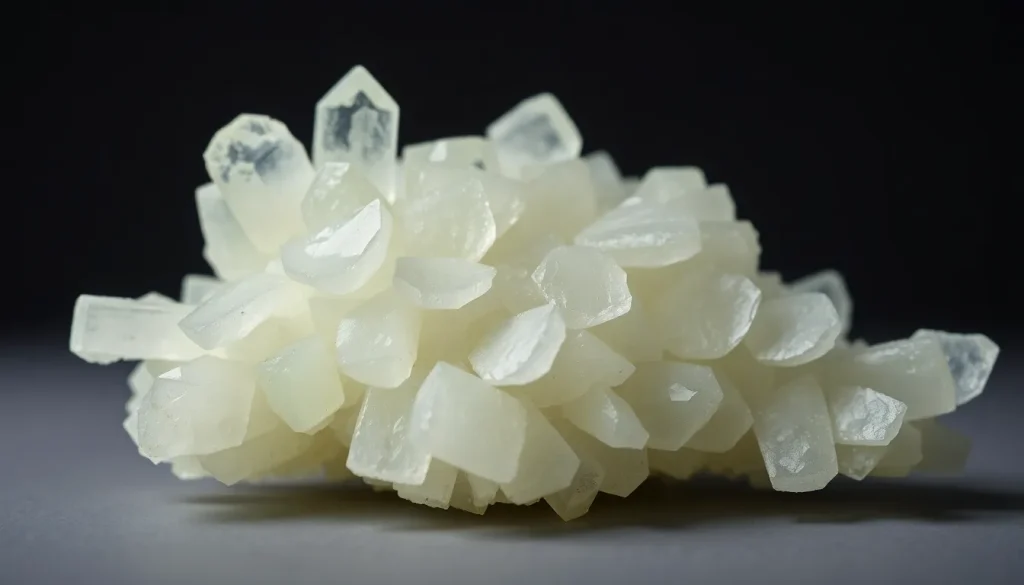
Brucite is a hydroxide mineral composed of magnesium hydroxide, Mg(OH)₂. It crystallises in the trigonal (rhombohedral) system and typically forms thin, platy crystals with a pearly to vitreous luster. The mineral is relatively soft, rating 2.5–3 on the Mohs scale, and occurs in a range of colours from colourless and white to pale green or gray. Because of its low hardness, brucite is not a common gemstone but is sometimes used in ornamental carvings, beads, and as a collector’s specimen.
History and Origin
The name “brucite” honours the Scottish mineralogist Archibald Bruce (1777‑1850), who first described the mineral in the early 19th century. Natural deposits form in metamorphic rocks, especially in low‑temperature, high‑pressure environments such as skarn zones and serpentinized ultramafic rocks. Brucite also precipitates as an alteration product of magnesium‑rich minerals and can be found in hydrothermal veins.
Meaning and Symbolism
In the realm of gemstone symbolism, brucite’s gentle white‑to‑green hue is associated with calmness, renewal, and emotional balance. Its softness is sometimes interpreted as a reminder to be flexible and adaptable in life’s challenges. While not a traditional birthstone, it is occasionally chosen for its soothing visual qualities in contemporary metaphysical practice.
Healing and Metaphysical Properties
Traditional crystal‑healing beliefs attribute the following properties to brucite:
- Emotional Healing: Thought to calm anxiety, promote inner peace, and aid in the release of repressed emotions.
- Heart Chakra Support: Believed to open and balance the heart centre, encouraging compassion and forgiveness.
- Physical Wellness: Some practitioners claim it supports the musculoskeletal system and helps alleviate joint stiffness, though these claims are not medically verified.
These meanings are based on cultural tradition and should not replace professional medical advice.
Varieties and Types
Brucite occurs in several forms:
- Natural Brucite: Typically found as thin, translucent plates or massive aggregates.
- Synthetic Brucite: Produced industrially for use as a flame retardant or as a source of magnesium hydroxide; sometimes fashioned into decorative objects.
- Impurities: Trace amounts of iron, manganese, or nickel can impart faint green or gray tones.
Jewelry Uses and Care
Because of its low hardness, brucite is unsuitable for everyday rings or bracelets that endure abrasion. However, it is occasionally set in pendants, earrings, or brooches where the stone is protected from impact. When caring for brucite jewelry:
- Handle with care – avoid dropping or striking the piece.
- Clean gently with a soft, lint‑free cloth; mild soap and lukewarm water are acceptable.
- Avoid ultrasonic cleaners, steam, or harsh chemicals, which can damage the surface.
- Store separately from harder gemstones to prevent scratching.
Buying Guide
When selecting brucite, consider the following factors:
- Clarity and Colour: Look for even, translucent plates with minimal inclusions. Pale green specimens are rarer than white ones.
- Cut and Setting: Since the stone is soft, a protective bezel or bezel‑set design is preferred.
- Origin: Reputable sources from known localities such as the United States (California), Japan, Russia, and Italy increase confidence in authenticity.
- Treatment Disclosure: Ensure the seller states whether the piece is natural or synthetic, and whether any stabilisation or coating has been applied.
- Certification: For high‑value pieces, request a gemological report from a recognized laboratory.
Because brucite is uncommon in mainstream jewellery, prices are modest, but quality specimens can command higher values, especially when cut for display.
FAQ
What is brucite good for?
Brucite is valued by collectors for its unique crystal habit and pale colour. In crystal‑healing circles it is traditionally used to promote emotional calm and heart‑chakra balance.
Is brucite rare?
High‑quality, well‑formed brucite crystals are relatively uncommon, especially in pale‑green hues. However, the mineral itself is not extremely rare, as it occurs in many metamorphic settings worldwide.
How can you tell if brucite is real?
Real brucite feels soft (Mohs 2.5‑3) and has a pearly luster. It shows perfect basal cleavage and a white streak. Professional testing, such as X‑ray diffraction or a gemological report, confirms authenticity.
What chakra is brucite associated with?
Traditionally, brucite is linked to the Heart chakra (Anahata), reflecting its soothing green‑white colour and emotional‑balancing symbolism.
How should you clean brucite?
Clean brucite gently with a soft cloth and mild soapy water. Avoid ultrasonic cleaners, steam, or harsh chemicals, and store it separately from harder gemstones to prevent scratching.
Leave a Reply