
Short Answer
Overview
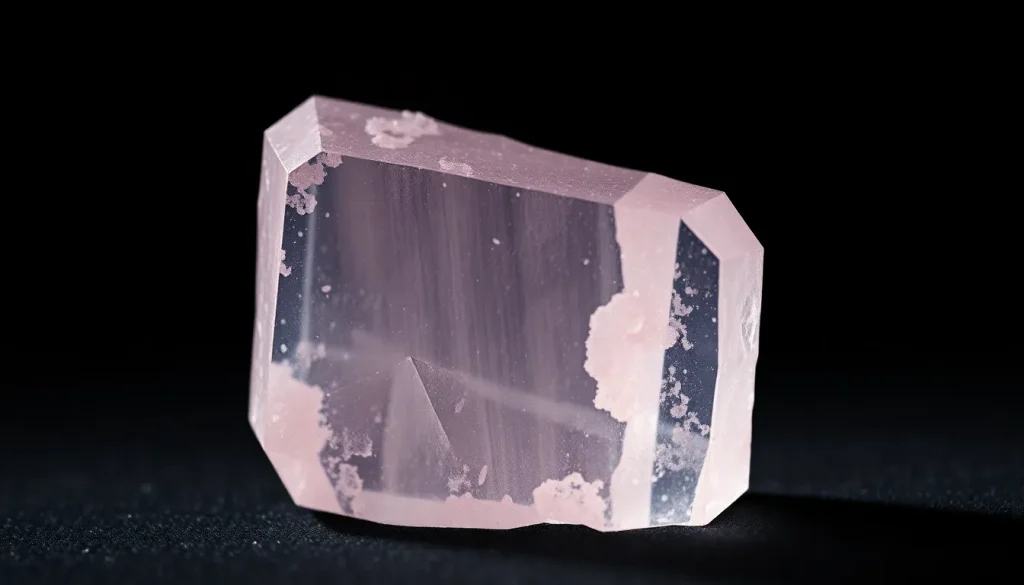
Boracite is a naturally occurring magnesium borate mineral with the chemical formula Mg3B7O13Cl. It belongs to the halide class and crystallizes in the orthorhombic system, often forming well‑developed, tabular crystals that display perfect cleavage on two directions. On the Mohs scale its hardness ranges from 7 to 7.5, making it suitable for many types of jewelry. Color varies from transparent colorless and white to pale pink, orange, yellow, brown, and occasionally green.
History and Origin
The mineral was first described in 1868 from the Borac mine in the town of Borac, near Příbram, Bohemia (now the Czech Republic). Its name is derived directly from this locality. Since the 19th century, boracite has been collected by mineralogists for its striking crystal habit. Notable occurrences have been reported in Canada’s Northwest Territories, the United States (New Mexico), Russia’s Ural Mountains, and Germany’s Bavarian Alps.
Meaning and Symbolism
In traditional gemstone lore, boracite is associated with clarity of thought and the ability to see situations from a higher perspective. Its often‑transparent appearance is said to symbolize purity and honesty, while the occasional pink hues are linked to gentle emotional healing and compassion.
Healing and Metaphysical Properties
Crystal‑healing practitioners attribute the following properties to boracite:
- Mental clarity: believed to aid concentration and enhance decision‑making.
- Emotional balance: thought to soothe anxiety and promote calmness.
- Energy alignment: traditionally connected with the crown chakra, helping to open channels for spiritual insight.
These claims are based on traditional beliefs and are not intended as medical advice.
Varieties and Types
While boracite itself is a single mineral species, it occurs in several color varieties:
- Colorless/white: the most common, often used in scientific collections.
- Pink: caused by trace manganese or iron, prized by collectors.
- Orange to brown: result from varying iron content.
- Yellow to green: rarer hues that may contain trace titanium.
Crystal habit ranges from massive aggregates to well‑formed orthorhombic prisms and tabular plates. Some specimens display a distinctive adamantine luster that catches light dramatically.
Jewelry Uses and Care
Because of its hardness (7–7.5) boracite can be set in rings, pendants, earrings, and brooches. However, its perfect cleavage makes it vulnerable to impact; stones should be protected from hard knocks. When cleaning, use a soft brush and mild warm soapy water; avoid ultrasonic cleaners and harsh chemicals, as they may exploit cleavage planes. Store pieces separately in padded compartments to prevent scratching.
Buying Guide
When purchasing boracite, consider the following factors:
- Color and clarity: Transparent colorless or vivid pink stones are most sought after.
- Cut and crystal habit: Well‑formed crystals with minimal visible fractures retain higher value.
- Origin: Specimens from classic localities such as the Czech Republic or Canada often carry a premium.
- Treatment disclosure: Natural boracite is rarely treated, but any heat or irradiation should be disclosed by the dealer.
- Certification: Request a gemological report from a reputable laboratory to verify authenticity.
Because boracite is a collector’s mineral as well as a gemstone, prices can vary widely based on size, color, and crystal quality.
FAQ
What is boracite good for?
Boracite is valued for its hardness and attractive crystal forms, making it suitable for jewelry and collectors. Traditionally, it is believed to promote mental clarity and emotional balance, though these are spiritual concepts, not medical facts.
Is boracite rare?
High‑quality, well‑formed boracite crystals are relatively rare, especially in vivid pink or orange shades. The mineral is found in several localities, but large, clear specimens are uncommon and can command higher prices.
How can you tell if boracite is real?
Real boracite is hard (7‑7.5), shows perfect cleavage on two directions, and has a vitreous to adamantine luster. It may be examined under magnification for crystal habit and measured for specific gravity. Professional gemological testing is recommended for certainty.
What chakra is boracite associated with?
In crystal‑healing traditions, boracite is most often linked to the Crown Chakra, thought to support spiritual insight and higher consciousness.
How should you clean boracite?
Clean boracite with warm soapy water and a soft brush. Avoid ultrasonic cleaners, harsh chemicals, and sudden temperature changes, as the stone’s perfect cleavage can make it susceptible to damage.
Leave a Reply